

A sign shop is a local business that designs, fabricates, and installs custom signage, vehicle wraps, and branding graphics for businesses and individuals. Finding the right sign shop near me is not just about price. It is about finding a partner who understands your brand, knows local regulations, and delivers work that lasts. Professional signage is one of the highest-visibility investments a business makes. A poorly made sign communicates the wrong message before a customer ever walks through your door. This guide covers what to look for, what questions to ask, and how to make the right call.
What services should a sign shop near me offer?
A full-service sign shop handles far more than printing. The standard range includes storefront signs, vehicle wraps, banners, window graphics, interior branding, and floor graphics. If a shop only offers one or two of these, you are likely working with a print-only vendor, not a true signage partner.
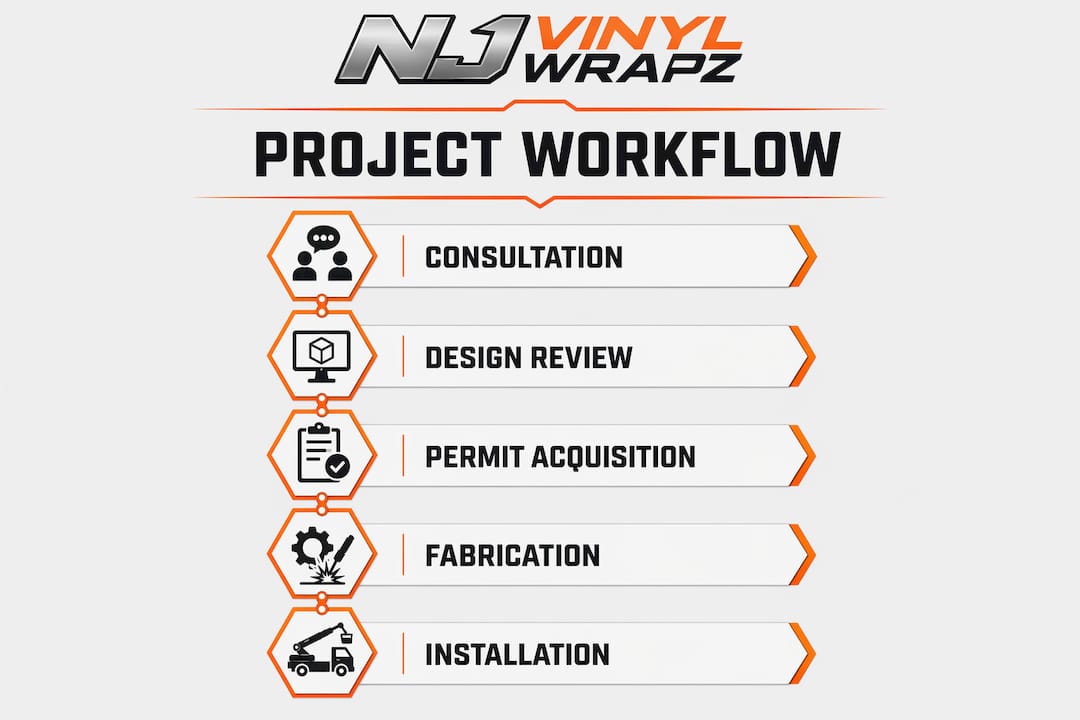
The most capable local signage shops manage the entire project lifecycle, from initial consultation and site assessment through professional design, permit acquisition, fabrication, and final installation. That full-service model matters because it keeps accountability in one place. You are not chasing three separate vendors when something goes wrong.
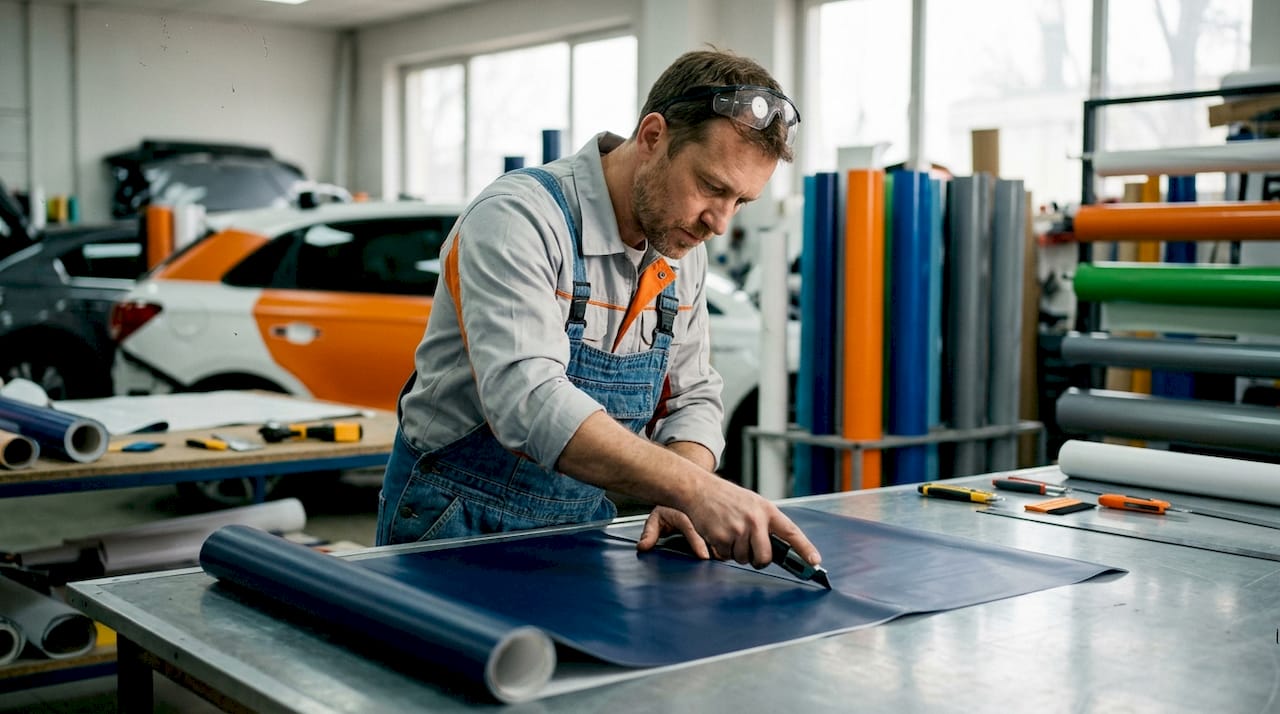
Material expertise separates premium shops from basic print services. Look for shops that work with UV-resistant inks, industrial-grade substrates, and specialized finishes suited to your environment. A shop in a coastal market like San Diego needs to work with materials that resist salt air corrosion. A shop serving a high-sun market like Las Vegas needs inks that hold color under extreme UV exposure.
Additional services worth asking about include graphic design consultation, site assessment, and local permit management. These are not extras. They are the difference between a project that finishes on time and one that stalls at the city permit office.
- Custom storefront signs: Channel letters, cabinet signs, monument signs, and illuminated displays
- Vehicle wraps: Full wraps, partial wraps, and lettering for commercial fleets and personal vehicles
- Banners and temporary signage: Event banners, trade show displays, and construction site graphics
- Interior branding: Wall murals, wayfinding signs, and branded environmental graphics
- Floor graphics: Directional and promotional graphics for retail and commercial spaces
Pro Tip: Ask any sign shop you contact whether they handle permit acquisition in-house. Shops that manage permits directly have stronger relationships with local code offices and fewer project delays.
How do you evaluate design quality and material durability?
Professional design is the foundation of effective signage. A sign that looks good on screen but fades within a year costs you twice: once to install it and once to replace it. Proper design and material selection extend the lifespan of signage and solidify brand presence across varying commercial environments.
The right material depends entirely on where the sign will live. Outdoor signs face UV degradation, moisture, and temperature swings. Environmental factors like coastal salt air and extreme UV exposure require specialized materials such as UV-resistant inks and industrial-grade enclosures. A shop that recommends the same vinyl for a Las Vegas rooftop sign and a San Diego beachfront storefront is not paying attention to your specific conditions.
Here is a practical checklist for evaluating design and material quality before you commit:
- Review the portfolio for environmental range. Look for examples of signs installed in conditions similar to yours, whether that is high sun, coastal air, or heavy foot traffic.
- Ask about material brands and certifications. Reputable shops use materials from recognized manufacturers. Ask specifically which brands they stock and why.
- Request a material sample or spec sheet. Any shop confident in their materials will provide this without hesitation.
- Ask about warranty terms. A shop that stands behind its work offers a written warranty on both materials and installation.
- Confirm design file ownership. You should own the final design files. If a shop retains them, you lose flexibility for future updates.
Treating signage as a strategic asset increases its long-term impact and client satisfaction. A well-designed sign acts as a landmark, not just a nameplate. That distinction drives real differences in customer engagement and brand recall.
Pro Tip: Request a proof printed at actual size before final production. Color on screen and color on vinyl or aluminum are not the same. Seeing the real output prevents expensive reprints.
What does the project workflow look like?
Most businesses underestimate how many steps a signage project involves. A professional shop follows a defined process. Understanding that process helps you set realistic timelines and avoid surprises.
Signage projects start with a consultation to understand client goals, site conditions, and project requirements. That initial meeting is where a good shop asks about your brand standards, your installation environment, and your timeline. Skipping this step is a red flag.
The table below shows the four standard stages and what each party is responsible for:
| Stage | Sign shop responsibility | Client responsibility |
|---|---|---|
| Consultation and site assessment | Measure site, assess conditions, document requirements | Share brand guidelines, budget, and timeline |
| Design development | Create proofs, revise based on feedback | Approve final design in writing |
| Permit acquisition | Submit applications, manage municipal review | Provide property documentation if required |
| Fabrication and installation | Build, deliver, and install the sign | Confirm site access and any HOA requirements |
Municipal review processes for signage can include layered reviews for historic districts or coastal zones. Business owners consistently underestimate this complexity. A shop with local permitting experience knows which jurisdictions move fast and which require extra lead time.
For fleet projects or multi-location rollouts, timeline coordination becomes critical. Sign shops that handle permit acquisition in-house reduce project delays and keep the work legally compliant from day one. If you are managing a fleet of vehicles across multiple states, look for a shop with experience in multi-jurisdictional projects, like the fleet wrap programs Njvinylwrapz runs for commercial clients across New Jersey and beyond.
How do you find and compare local sign shops effectively?
Searching “sign shop near me” is the right starting point, but the results require careful filtering. Google Maps and Yelp surface local options quickly. The real work is evaluating what you find.
Start with the portfolio. A shop’s past work tells you more than any sales pitch. Look for projects similar in scale and type to yours. A shop that specializes in vehicle wraps may not be the best fit for a large monument sign, and vice versa. For vehicle branding specifically, Njvinylwrapz publishes a detailed commercial wrap design guide that shows exactly what a professional process looks like from start to finish.
- Check licensing and insurance. Any shop doing installation work should carry general liability insurance and be licensed in your state.
- Read reviews for project management, not just aesthetics. Comments about communication, timeline accuracy, and post-installation support reveal how a shop actually operates.
- Ask for references from similar projects. A shop confident in their work will connect you with past clients without hesitation.
- Get itemized quotes. A quote that bundles design, materials, permits, and installation into one number makes comparison impossible. Ask for line-item pricing.
- Evaluate responsiveness. How fast a shop responds to your inquiry predicts how they will communicate during the project.
Choosing a knowledgeable local partner is critical when permitting complexity varies by jurisdiction. A shop that has pulled permits in your city before will move faster and hit fewer walls than one learning your local codes for the first time.
Balancing cost and quality is the final filter. The lowest bid rarely accounts for premium materials, proper permitting, or a warranty. A sign that fails in 18 months costs more than a quality sign installed correctly the first time. Vehicle branding done right delivers measurable returns in brand visibility that justify the upfront investment.
Key Takeaways
The best local sign shop combines full-service project management, durable materials, local permitting expertise, and professional design to deliver signage that performs for years.
| Point | Details |
|---|---|
| Full-service scope matters | Choose a shop that handles design, permits, fabrication, and installation under one roof. |
| Material selection is environment-specific | UV exposure, salt air, and traffic conditions all require different material choices. |
| Permitting expertise saves time | Shops with local code experience avoid delays that can stall projects for weeks. |
| Portfolio review is non-negotiable | Past work in similar conditions is the most reliable quality indicator available. |
| Itemized quotes enable real comparison | Bundled pricing hides cost differences; always request line-item breakdowns. |
Why I think most businesses shop for signs the wrong way
Most businesses treat signage like office supplies. They search for the cheapest option nearby, place an order, and hope for the best. That approach works fine for a banner you need for one weekend. It fails badly for anything meant to represent your brand for years.
High-quality signage acts as a landmark, not just a nameplate. That framing changed how I think about every signage project. A sign is not a transaction. It is a physical representation of your brand that works 24 hours a day without a salary.
The biggest mistake I see businesses make is selecting the lowest bid without asking a single question about materials or permitting. They get a sign that looks fine in the first month and starts peeling or fading by month eight. Then they pay again to fix it. The math never works out in favor of cutting corners.
Local expertise is genuinely undervalued. A shop that has worked in your city for years knows which inspectors are strict, which zones have extra review layers, and which materials hold up in your specific climate. That knowledge is not something you can find on a spec sheet. It comes from doing the work repeatedly in the same environment.
My honest advice: treat your signage budget the way you treat your marketing budget. Ask hard questions. Demand references. Get the warranty in writing. A sign that lasts five years and drives real brand recognition costs less per year than a cheap sign you replace twice.
— Krunal
Njvinylwrapz: professional wraps and signage for your fleet
If your signage needs include vehicle wraps, fleet branding, or mobile advertising graphics, Njvinylwrapz brings over 10 years of experience to every project. The team handles custom design, material selection using 3M and Avery products, and expert installation in climate-controlled facilities.
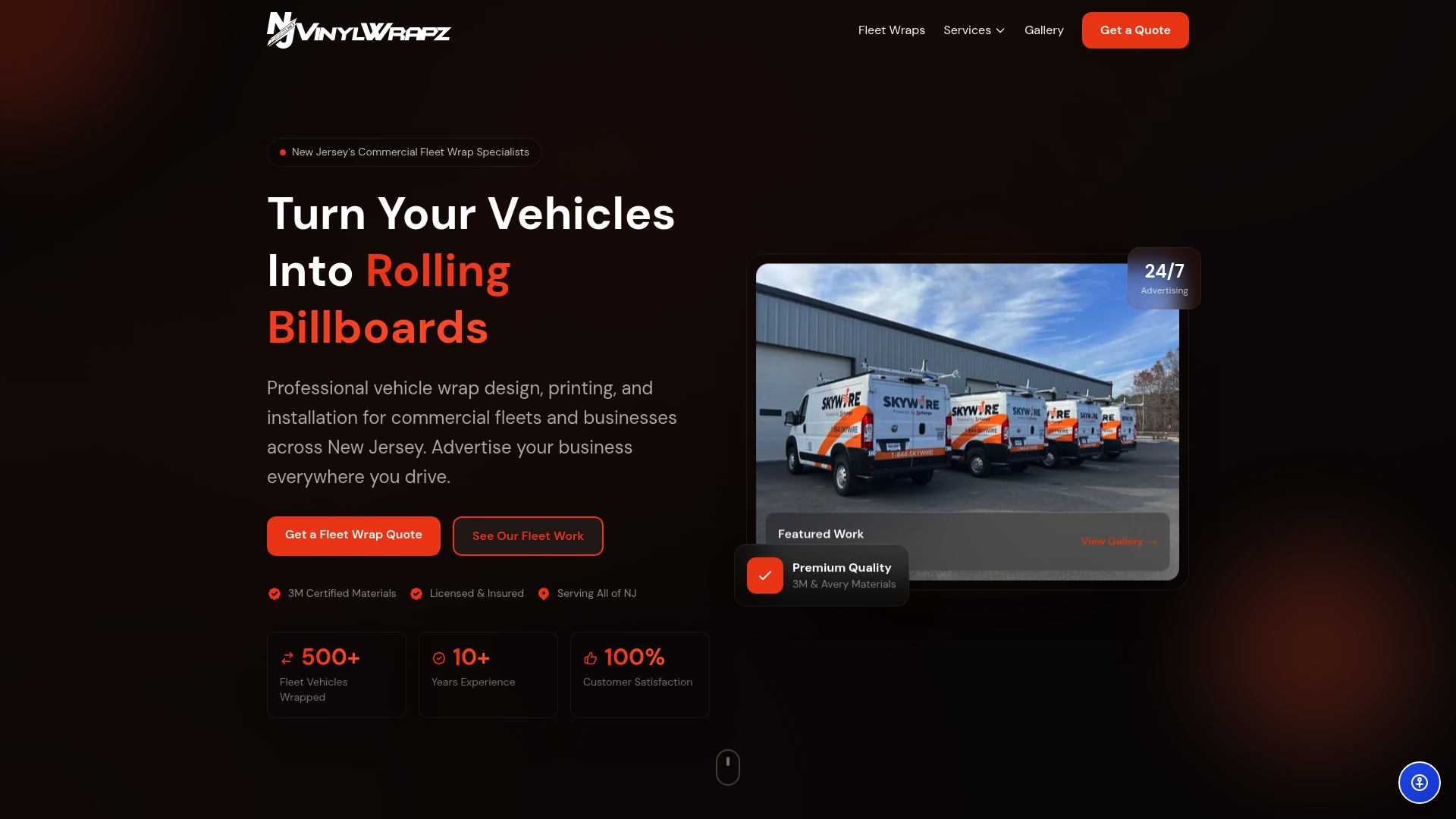
Njvinylwrapz serves commercial fleets, small businesses, and individual vehicle owners across New Jersey and nationwide. Whether you need a single full vehicle wrap or a consistent branding rollout across an entire fleet, the process starts with a consultation built around your brand and your timeline. Reach out to Njvinylwrapz to request a quote and get your project moving.
FAQ
What does a sign shop typically do?
A sign shop designs, fabricates, and installs custom signage including storefront signs, vehicle wraps, banners, and interior graphics. Full-service shops also manage permits and site assessments.
How long does a signage project take?
Timeline varies by project type and local permitting requirements. Simple banners can be ready in days, while permitted storefront signs or fleet wraps typically take two to six weeks from consultation to installation.
What materials should I ask about when getting a custom sign?
Ask specifically about UV-resistant inks, substrate grade, and warranty coverage. Material choices should match your environment, especially if your location faces high sun, coastal air, or heavy foot traffic.
Do sign shops handle permits?
Most professional sign shops handle permit acquisition as part of their service. Confirm this upfront, since permit management is one of the most common sources of project delays when left to the client.
How do I compare sign shop quotes fairly?
Request itemized quotes that separate design, materials, permitting, and installation costs. Bundled quotes make it impossible to identify where quality differences actually exist between providers.