
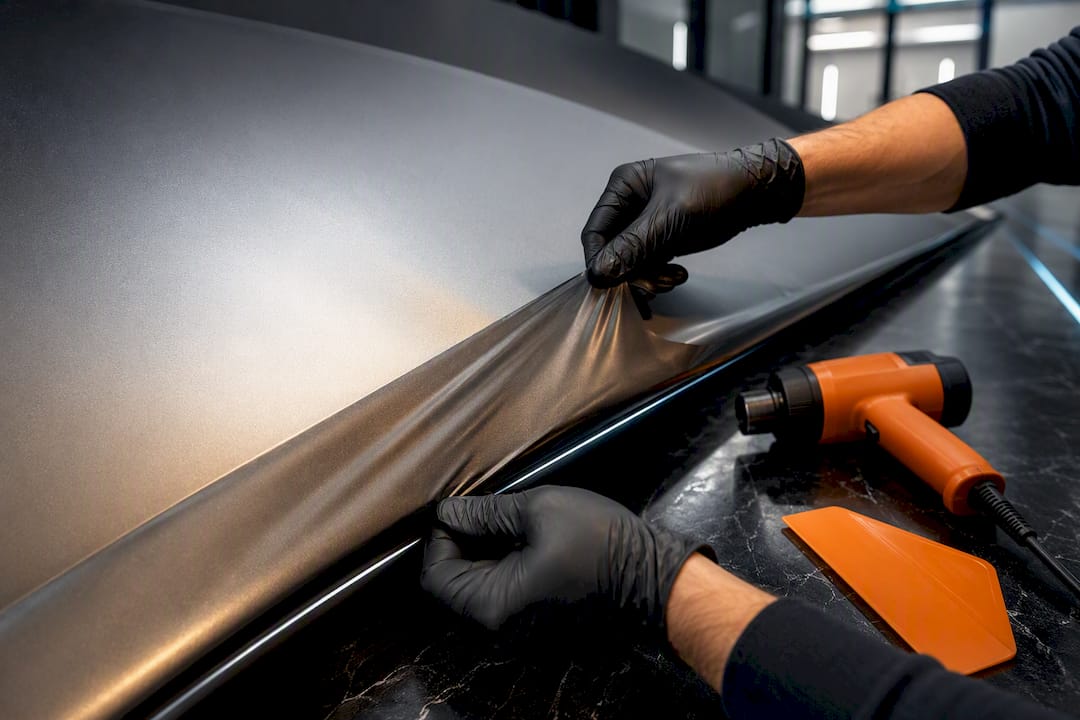
A properly installed and properly removed vinyl wrap will not damage healthy factory paint. Industry removal data backs this up: professional teams working on film that’s one to five years old see damage rates under roughly 2 to 5 percent. The real risk comes from pre-existing paint problems, aging adhesive, or amateur removal, not from the vinyl itself. Materials from brands like 3M and Avery Dennison are engineered to come off clean when handled correctly.
TL;DR:
- Properly installed vinyl wraps on healthy factory paint rarely cause damage, with removal damage rates below 5 percent when handled correctly.
- The adhesive under vinyl wraps bonds mechanically and does not chemically harm the clear coat, especially on baked-on factory finishes.
- Risks of paint damage increase significantly if the paint is already compromised, the film is left on for over eight years, or removal is performed improperly with DIY tools.
- Choosing a certified, professional installer with climate control, documented procedures, and reputable film brands reduces the chance of damage during removal.
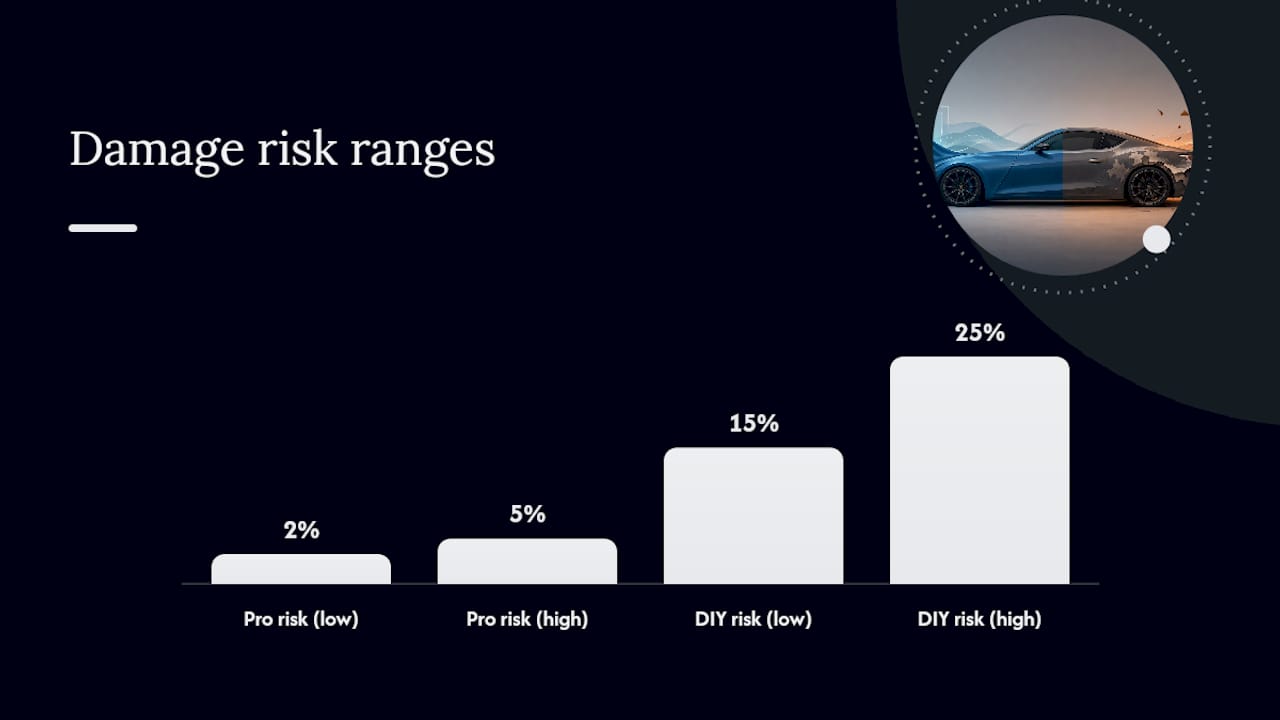
- Wraps generally last three to five years, and safe removal with trained technicians keeps damage risk between 2 and 5 percent; DIY removal can push that risk up to 25 percent.
Table of Contents
- Does Wrap Adhesive Actually Harm Clear Coat?
- When Wraps Actually Cause Paint Damage
- Choosing an Installer and Prepping Your Car the Right Way
- How Wraps Get Removed Safely, and What the Risk Data Actually Shows
- What to Expect Once the Wrap Comes Off
- What Actually Backs This Advice Up
- A Practical Take on Wrap, PPF, and Timing
- Ready for a Wrap Done the Right Way?
- Where This Information Comes From
- Sources
- FAQ
Does Wrap Adhesive Actually Harm Clear Coat?
The vinyl itself is inert once it’s on your car. The adhesive underneath is a pressure-sensitive adhesive, or PSA, which means it bonds through pressure and tack rather than a chemical reaction. It grips the clear coat mechanically, the same way a strong sticky note grips a wall. It doesn’t dissolve, etch, or chemically alter the clear coat layer underneath it.
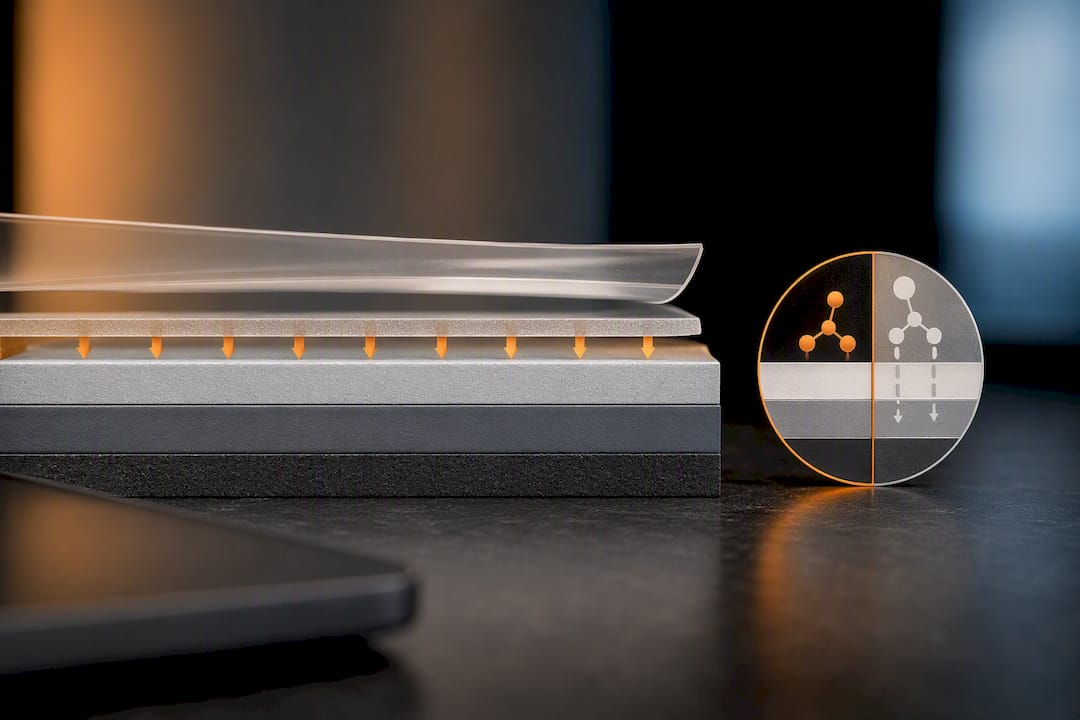
Factory clear coats are baked on in a controlled environment at high temperatures, which makes them harder and more chemically stable than most aftermarket resprays cured at room temperature. That’s why a factory finish generally tolerates a wrap far better than a repainted panel does. A cheap respray, or one that wasn’t fully cured before wrapping, is a different story: the adhesive can bond too aggressively to a softer film, and pulling the wrap later can pull paint with it.
While the film is actually on the car, it’s doing your paint favors, not just sitting there neutrally:
- Blocking UV rays that fade and oxidize paint over time
- Absorbing minor scuffs, light scratches, and parking-lot door dings before they reach the clear coat
- Reducing stone chip severity on lower panels and rocker areas
None of that means a wrap is risk-free. It means the risk sits mostly at installation and removal, not in the months the vinyl spends sitting quietly on your hood.
When Wraps Actually Cause Paint Damage
Paint damage from a wrap almost always traces back to one of a handful of conditions, not to the vinyl being inherently unsafe. Here’s what actually raises your odds of trouble:
- Paint that was already compromised. Chips, rust bubbling under the surface, or a bad respray give adhesive something weak to grab onto, and removal can take fragments of that paint with it.
- Film left on well past its recommended lifespan. Adhesive chemically cross-links as it ages, meaning it hardens and bonds more permanently the longer it stays put. Vinyl left on for eight-plus years behaves nothing like vinyl removed at year two.
- DIY removal with the wrong tools. Consumer heat guns routinely overheat the clear coat, and pulling at a steep or 90-degree angle instead of a shallow one puts direct stress on paint that was never designed to be peeled.
- Untrained installers rushing the job. Scraping with metal tools, skipping heat entirely, or yanking sections that should be worked slowly all raise the odds of clear coat lift.
- Specialty finishes and climate extremes. Matte and satin films are more finicky about heat exposure than gloss film, and cars that sit through prolonged extreme heat, think a black truck baking in a parking lot for months, put extra stress on both the film and the bond underneath it.
Notice what’s missing from that list: the vinyl brand itself. This is a technique-and-condition problem, not a material-defect problem.
Choosing an Installer and Prepping Your Car the Right Way
Reducing risk starts before the vinyl ever touches your hood. Have your paint inspected first, chips, rust spots, and any recent respray need to be flagged and, ideally, addressed before wrapping. A respray should fully cure, typically several weeks, before it gets wrapped over.
When vetting a shop, ask direct questions:
- What film brand do you install, 3M or Avery Dennison, and what’s the warranty on it?
- Is your install done in a climate-controlled facility, and are your installers certified on that material?
- Do you have a documented removal procedure, and what’s the recommended removal window for this film?
- Will decontamination and paint prep happen before install, or are you wrapping over whatever is already on the panel?
Your prep work matters too. A full wash and clay bar pass before installation keeps grit from getting trapped under the film, and reviewing your vehicle’s pre-wrap condition with your installer avoids disputes later, especially if the car is leased.
Pro Tip: Get the removal timeline and warranty terms in writing on your work order, not just verbally. If a shop won’t commit to a documented removal procedure on paper, that’s a signal to keep shopping.
How Wraps Get Removed Safely, and What the Risk Data Actually Shows
Professional removal is a slow, deliberate process, and that’s the entire point. A trained technician warms the film with controlled heat or steam, typically in the 120 to 140°F range, checked with an infrared thermometer rather than guesswork. The film peels at roughly a 45-degree angle, panel by panel, with the tech working slowly enough to keep the adhesive warm and pliable without overheating the paint underneath.
- Controlled, monitored heat prevents localized hot spots that stress clear coat
- A shallow peel angle spreads stress across the bond line instead of concentrating it
- Adhesive residue gets cleaned with proper solvents, not scraped off with blades
Compare that to the DIY approach: a consumer heat gun aimed too close for too long, and a hard 90-degree yank because the corner won’t budge. That combination is the single biggest reason paint gets damaged during wrap removal, more than film age, more than paint hardness, more than anything else in the process.
The numbers back this up. Professional removal of one to five year old film carries under roughly 2 to 5 percent damage risk, while DIY removal on aged film pushes that risk up toward 15 to 25 percent. That gap isn’t about luck. It’s about heat control, tool choice, and technique, exactly the variables detailed removal guides walk through step by step. Professional removal and adhesive cleanup commonly runs a few hundred dollars, while a full panel repaint from a botched DIY job can run into the high hundreds or low thousands.
What to Expect Once the Wrap Comes Off
Inspect the paint under direct, angled light, an LED work light held at a low angle shows micro-marring and haze that overhead light hides completely. Adhesive residue is common and normal; it is not the same thing as damage, and it usually wipes away with the right solvent.
- Light haze or minor swirl marks: a machine polish typically restores the finish
- Sticky residue or wax buildup: a clay bar or adhesive remover handles it
- Actual clear coat lift, deep scratches, or color transfer: that panel needs paint correction or a repaint, not just polish
Wrapped panels often look noticeably fresher than exposed ones nearby, since the film has been shielding them from sun and road grime the whole time. If you’re keeping the car bare, this is a good moment to consider paint protection film on high-impact areas or a ceramic coating to lock in that condition, rather than exposing freshly protected paint to the elements with nothing on it.
What Actually Backs This Advice Up
None of this comes from guesswork. Experienced installers have installed and removed wraps on commercial fleets and personal vehicles for many years, often working in climate-controlled facilities with certified installers using 3M and Avery Dennison film. That combination, controlled environment plus trained hands plus established material brands, is what keeps removal risk on the low end of the industry range rather than the high end.
Every vehicle’s paint history is different, though. A car with a rough respray or years of neglected clear coat carries more removal risk than a well-maintained factory finish, regardless of who’s doing the work. For deeper detail on wrap longevity, see how to reach five to seven years on a wrap without stressing the paint underneath it.
A Practical Take on Wrap, PPF, and Timing
A wrap makes sense when your paint is healthy and you want color change, branding, or UV protection without committing to a repaint. If your clear coat already shows chips or thin spots, paint correction or PPF is the smarter first move, wrap over damage and you’re just delaying a bigger repair.
For leased vehicles, document paint condition with photos and a signed inspection before wrapping, and again before your lease return. It protects you either way.
— NJ Vinyl Wrapz
Ready for a Wrap Done the Right Way?
Plenty of shops will slap vinyl on your car for a low quote and skip the parts that actually matter, no climate-controlled bay, no documented removal plan, no real answer when you ask which film brand they’re using. Some shops install with 3M and Avery Dennison materials in climate-controlled facilities, backed by years of fleet and personal vehicle work.

When you request a quote, ask for three things in writing: the film brand, the recommended removal window, and a documented removal procedure. That paperwork is what separates a shop that protects your investment from one that just wants the job. If chip protection matters more than color right now, paint protection film might fit your car better than a full wrap, and NJ Vinyl Wrapz installs both. Ready to move forward? Start with a quote on full vehicle wraps and get a straight answer about what your paint can handle.
Where This Information Comes From
- How to Remove Vinyl Wrap Safely: A Complete Guide
- Can PPF Peel Factory Paint? Real Removal Risk Data
- Does Vinyl Wrap Damage Car Paint? Unveiling The Truth
- Wrapping vs painting: pros and cons
Sources
- How to Remove Vinyl Wrap Safely: A Complete Guide for Professionals & DIYers – HighCool
- Can PPF Peel Factory Paint? Real Removal Risk Data – HighCool
- Does Vinyl Wrap Damage Car Paint? Unveiling The Truth — AutomotivePlanner
- Wrapping vs painting: pros and cons — Jalopnik
FAQ
Can a wrapped car go through a carwash?
Hand washing or touchless automatic washes are safest for wrapped vehicles; brush-style carwashes can lift edges and dull the film’s finish over time. Stick to a gentle pre-wash and two-bucket method and avoid high-pressure wands aimed directly at seams and edges.
Is it cheaper to wrap or repaint a car?
A full wrap is generally cheaper than a quality repaint and reversible, while a repaint is permanent and typically costs more for comparable finish quality. NJ Vinyl Wrapz’s color change wraps are worth comparing against a quote from a paint shop before deciding.
How long will a wrap last on a car?
Most quality vinyl wraps last three to five years with proper care, and some premium installations reach five to seven years. Removal risk tends to climb the longer a wrap stays past the recommended window, so tracking install date matters.
Is there a downside to wrapping a car?
The main downsides are cost of a quality install, the need for eventual professional removal, and the fact that a wrap can trap moisture or debris at lifted edges if not maintained. None of these are dealbreakers if you choose a certified installer and keep the film within its recommended lifespan.