
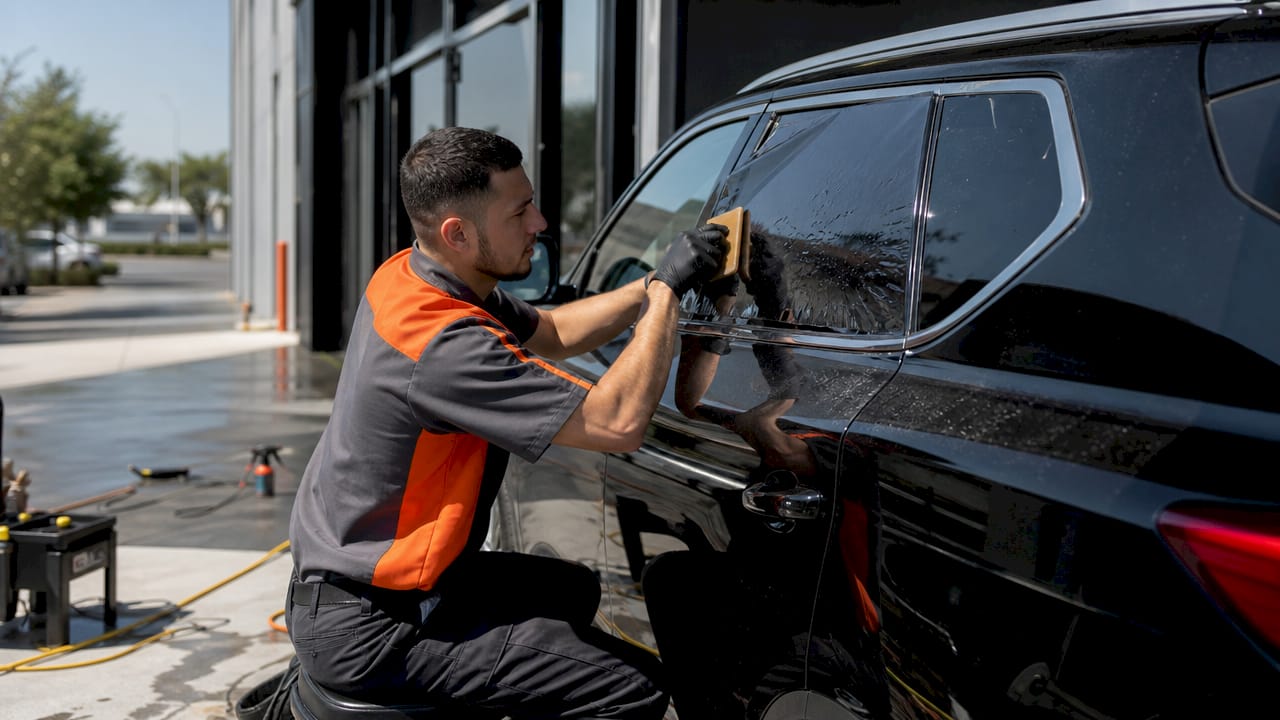
Window tinting is the process of applying specialized films to vehicle windows to block UV rays, reduce heat, enhance privacy, and increase safety. These window tinting advantages go far beyond aesthetics. Ceramic films, metallic films, and dyed films each deliver measurable performance gains for vehicle owners and business fleet managers alike. Professional installation by companies like Njvinylwrapz locks in those gains for years, and quality films can even increase resale value by approximately 1–3%.
1. Window tinting advantages: UV protection that shields passengers and interiors
UV protection is the single most health-critical benefit of window tinting. Window films block up to 99.9% of harmful UV rays, which is the same protection level found in high-grade sunscreen. That level of filtration matters because prolonged UV exposure inside a vehicle contributes to skin damage, even on short daily commutes.
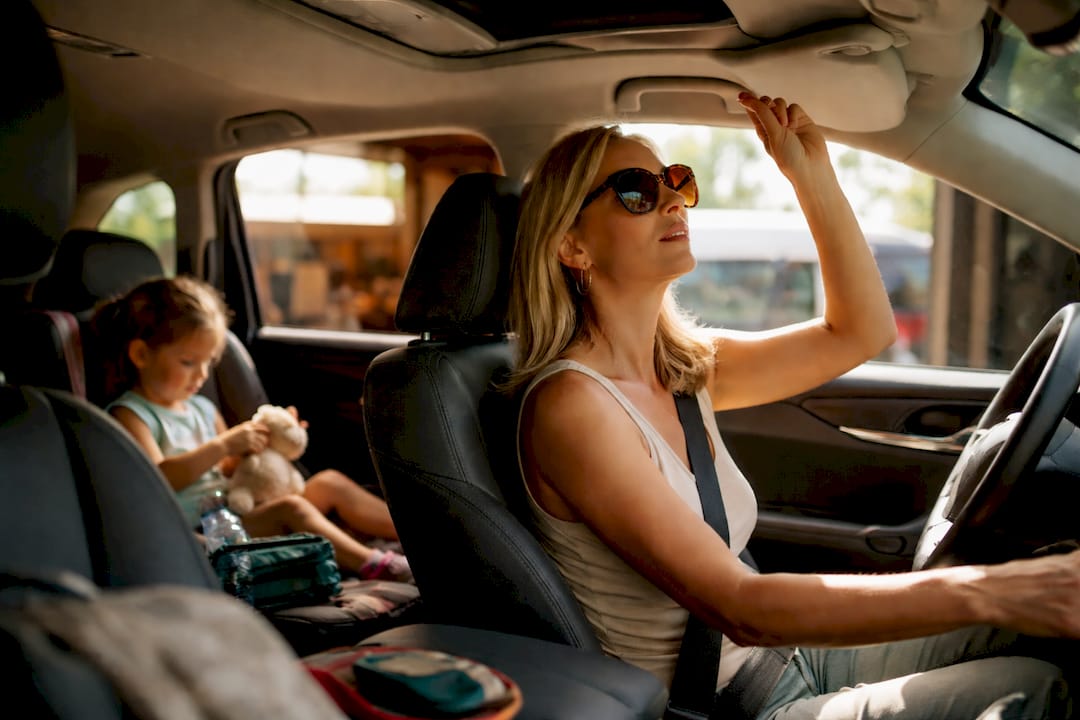
The interior of your vehicle suffers too. UV rays cause dashboards to crack, seat materials to fade, and trim panels to deteriorate faster than normal wear would explain. Protecting those surfaces with window film extends their lifespan and reduces the cost of interior repairs or replacements over time.
Not all films deliver equal UV protection. Ceramic films and metallized films use advanced technology to reject UV radiation at the molecular level, while basic dyed films offer less consistent performance. For fleet managers running vehicles year-round in New Jersey, the difference between film types shows up directly in maintenance budgets.
- Ceramic films: Block UV and infrared radiation without metal layers, making them signal-friendly for GPS and mobile devices.
- Metallized films: Use metal particles to reflect UV and heat, offering strong protection with a slightly reflective appearance.
- Dyed films: Absorb some UV and light but degrade faster and offer lower protection levels than ceramic or metallic options.
2. Heat rejection: How window tinting cuts cabin temperature
Heat reduction is the most immediately felt benefit of window tinting. Films can reduce heat by up to 60% depending on the film type selected. That number translates directly into a cooler cabin when you open the door on a hot summer afternoon in New Jersey.
The mechanism behind this is infrared rejection. Infrared radiation carries the heat energy from sunlight, and high-performance films block it before it passes through the glass. Visible light transmittance and infrared rejection are separate properties, which means a film can be nearly clear and still reject significant heat.
Less heat inside the cabin means your air conditioning system works less. That reduces fuel consumption for gas-powered vehicles and extends battery range for electric vehicles. For a commercial fleet running dozens of vehicles daily, those savings compound quickly across the year.
Pro Tip: Ask your installer for the infrared rejection percentage of any film, not just the VLT number. A film rated at 70% VLT with high infrared rejection will keep your cabin cooler than a dark film with low infrared rejection.
The main value of automotive window films is temperature moderation. Reducing heat shock when entering a parked vehicle also reduces stress on leather and vinyl surfaces, which crack faster under repeated extreme temperature swings.
3. Privacy and security benefits for vehicles and business fleets
Privacy is a core reason fleet managers and individual vehicle owners choose window tinting. Reflective films create a mirror effect from the outside when exterior light is brighter than interior light, which is the standard condition during daytime driving. Occupants inside can see out clearly while people outside cannot see in.
For business fleets, this matters beyond personal comfort. Vehicles carrying equipment, documents, or valuables become harder targets for theft when the contents are not visible from the street. Obscuring the interior is one of the simplest deterrents available without adding complex security hardware.
Window film also functions as a safety layer during accidents or break-ins. Film holds shattered glass together rather than allowing it to scatter, which reduces the risk of lacerations to occupants. Security films, a specific subcategory designed for maximum glass retention, are available for vehicles that require higher protection levels.
“Window film acts as a safety layer by holding shattered glass together, reducing injury risk during accidents or break-ins.” — MC Tinting
The privacy and security advantages of tinted windows work together. A vehicle that is harder to see into and harder to break into presents a lower risk profile for both personal and commercial use. Fleet managers evaluating vehicle security should treat window film as a baseline protection measure, not an optional upgrade.
4. Glare reduction and driver safety
Glare is a direct safety hazard, and window tinting addresses it measurably. Professional window film reduces solar glare by 18% to 90% depending on the film type, which covers everything from mild comfort improvement to near-complete glare elimination. That range gives you precise control over how much light enters the cabin.
Reduced glare lowers eye strain on long drives and during low-sun conditions in the morning and late afternoon. Drivers who commute east in the morning or west in the evening know exactly how disabling direct sun glare can be. A quality film cuts that glare without requiring sunglasses or visors that block peripheral vision.
Pro Tip: For maximum glare control without sacrificing nighttime visibility, choose a film with a VLT between 35% and 50%. This range reduces daytime glare significantly while keeping the view clear after dark.
Glare reduction also benefits passengers using screens or devices inside the vehicle. Reduced ambient light makes displays easier to read, which matters for fleet vehicles where drivers reference navigation or dispatch screens throughout the day.
5. Types of window films and how to choose the right one
Window tint and window film are not the same thing. Window tint refers to visible darkness, while window film is a functional product family designed to meet performance goals beyond darkness alone. Choosing by darkness alone is the most common mistake vehicle owners make.
Window films are thin, multi-layer laminates bonded to the interior glass surface. This construction allows manufacturers to engineer specific performance properties into each layer, including UV rejection, infrared blocking, and shatter resistance, without changing the glass itself.
| Film Type | UV Protection | Heat Rejection | Privacy Level | Best For |
|---|---|---|---|---|
| Ceramic | Excellent | Excellent | Moderate | Daily drivers, EVs, fleets |
| Metallized | Excellent | Very Good | High (reflective) | Privacy-focused vehicles |
| Dyed | Moderate | Low | High (dark) | Budget installs, aesthetics |
| Carbon | Very Good | Good | Moderate to High | Balanced performance |
Choosing the right film requires matching visible light transmission (VLT) percentages and infrared rejection levels to your climate, privacy needs, and local legal requirements. New Jersey has specific VLT regulations for front side windows, rear windows, and windshields. A film that is legal in one state may not be legal in another.
Professional installation matters as much as film selection. Matched film specifications installed by a professional deliver the best long-term comfort and protection. DIY installation risks bubbling, peeling, and misaligned edges that reduce both performance and appearance. For fleet vehicles where consistency across multiple units is required, professional installation is the only practical choice. Njvinylwrapz offers window tinting for commercial fleets with matched specifications across every vehicle in a fleet.
6. Resale value and long-term vehicle protection
Window tinting protects the investment you made in your vehicle. Quality tinting can increase resale value by approximately 1–3% by keeping the interior in better condition over time. A vehicle with an unfaded dashboard, intact seat materials, and well-preserved trim commands a higher price than one showing sun damage.
The protection extends beyond cosmetics. Reduced UV and heat exposure slows the degradation of adhesives, plastics, and fabrics throughout the cabin. This means fewer repairs, lower detailing costs, and a vehicle that looks newer longer.
For business fleets, the math is straightforward. A fleet of 20 vehicles with better-preserved interiors represents a meaningful difference in resale or trade-in value at the end of a lease or ownership cycle. Window film is one of the lowest-cost protective upgrades available relative to the value it preserves.
Key takeaways
Window tinting delivers measurable protection, comfort, and security gains when the right film is matched to the vehicle’s specific needs and climate.
| Point | Details |
|---|---|
| UV protection is the top health benefit | Quality films block up to 99.9% of UV rays, protecting passengers and interiors. |
| Heat rejection depends on film type | Ceramic and metallized films reduce cabin heat by up to 60%, lowering AC load. |
| Film type matters more than darkness | Infrared rejection and VLT percentages determine real performance, not tint shade alone. |
| Privacy and safety work together | Reflective films limit outside visibility while film layers hold shattered glass together. |
| Professional installation is non-negotiable | Matched film specs and expert application deliver lasting results for vehicles and fleets. |
Why darker is not always better: a note from experience
I’ve worked with vehicle owners and fleet managers long enough to know the most common mistake: choosing the darkest tint available and assuming it performs best. It does not. A very dark dyed film can block light without meaningfully rejecting heat or UV radiation. You end up with a vehicle that looks tinted but still heats up like an oven and still fades the dashboard.
The films that actually perform are the ones matched to a specific goal. A fleet manager in New Jersey running vehicles through hot summers needs high infrared rejection, not just darkness. A driver concerned about skin protection needs a film with verified UV blocking, not just a low VLT number. These are different products, and they require an informed conversation with an installer who knows the difference.
The other thing I see overlooked constantly is the resale value angle. Vehicle owners spend money on ceramic coatings and paint protection film but skip window tinting. Then they sell the vehicle with a cracked dashboard and faded seats that could have been preserved for a fraction of the cost. Window film is one of the best-value protective upgrades available, and it is consistently underrated.
My advice: go to a professional, tell them your priorities, and let the film specs drive the decision. Darkness is a byproduct of a good film choice, not the goal itself.
— Krunal
Professional window tinting and automotive services from Njvinylwrapz
Njvinylwrapz brings over 10 years of experience to professional window tinting and vehicle protection services across New Jersey. Whether you manage a commercial fleet or want to protect a personal vehicle, the team matches film specifications to your exact needs, climate, and legal requirements.
Every installation is backed by professional-grade materials from trusted brands and completed in climate-controlled facilities for a clean, lasting result. Njvinylwrapz also offers full automotive protection services including paint protection film, ceramic coatings, and vehicle wraps. Contact Njvinylwrapz for a free estimate and find out which film delivers the performance your vehicle actually needs.
FAQ
What is window tinting and how does it work?
Window tinting is the application of a thin, multi-layer film to vehicle glass that blocks UV rays, rejects heat, and reduces glare. The film bonds to the interior glass surface without replacing the window.
How much heat does window tinting actually reduce?
Quality window films reduce cabin heat by up to 60% depending on the film type. Ceramic and metallized films deliver the highest heat rejection by blocking infrared radiation before it passes through the glass.
Does window tinting protect against UV rays?
Window films block up to 99.9% of harmful UV rays, protecting both passengers from skin damage and vehicle interiors from fading and cracking.
Is darker window tint always better for privacy?
Darker tint increases privacy but reduces nighttime visibility and may violate local VLT regulations. Reflective films provide strong daytime privacy without requiring an extremely dark shade.
Does window tinting increase vehicle resale value?
Professional window tinting can increase resale value by approximately 1–3% by preserving interior condition and maintaining a well-kept appearance over time.