
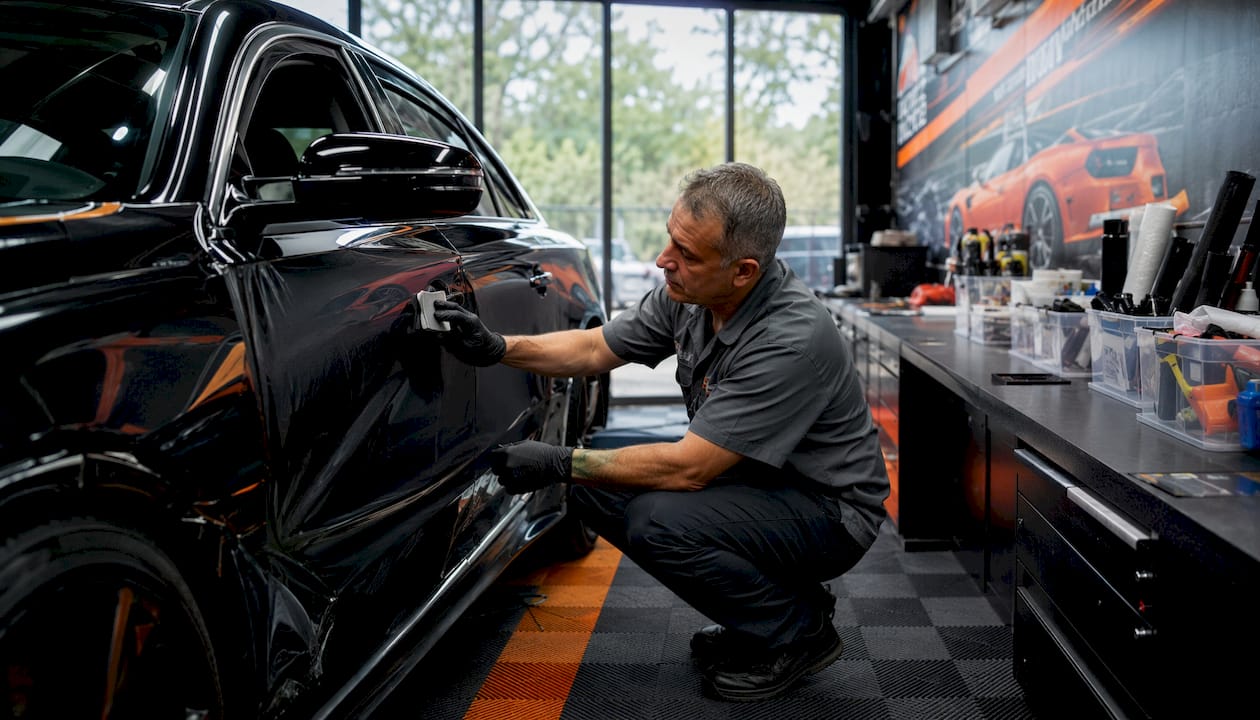
A full wrap is a complete vinyl covering applied to every exterior panel of a vehicle — hood, roof, doors, bumpers, fenders, mirrors, and pillars — leaving no factory paint visible from any standard angle. If your goal is a total color change, maximum brand coverage across a fleet, or full paint protection, a complete vehicle wrap is the right call. If you need selective branding on a tight budget, a partial wrap or lettering will serve you better.
Three names come up in every serious conversation about full wraps: Njvinylwrapz, 3M, and Avery Dennison. Njvinylwrapz handles design, printing, and installation using premium 3M and Avery Dennison films. Those two material brands set the benchmark for cast vinyl quality in the U.S. market.
Quick decision guide:
- Choose a full wrap when you want a complete color change, need to conceal faded or damaged paint, or want consistent branding across every panel of a fleet vehicle.
- Choose a partial wrap or lettering when budget is the primary constraint, the factory paint is in excellent condition, or you only need branding on specific high-visibility zones.
Table of Contents
- What does a full vehicle wrap actually cover?
- Full wrap vs. partial wrap: which one fits your situation?
- Why a full wrap pays off beyond the look
- What materials and finishes should you ask for?
- What does a full wrap cost, and how long will it take?
- What the designer and installer need from you
- How installation works and how to care for your wrap
- How to tell a quality shop from a risky one
- Key Takeaways
- What 10+ years in the shop actually teaches you
- Njvinylwrapz handles the full wrap process from design to installation
- Useful sources
- FAQ
What does a full vehicle wrap actually cover?
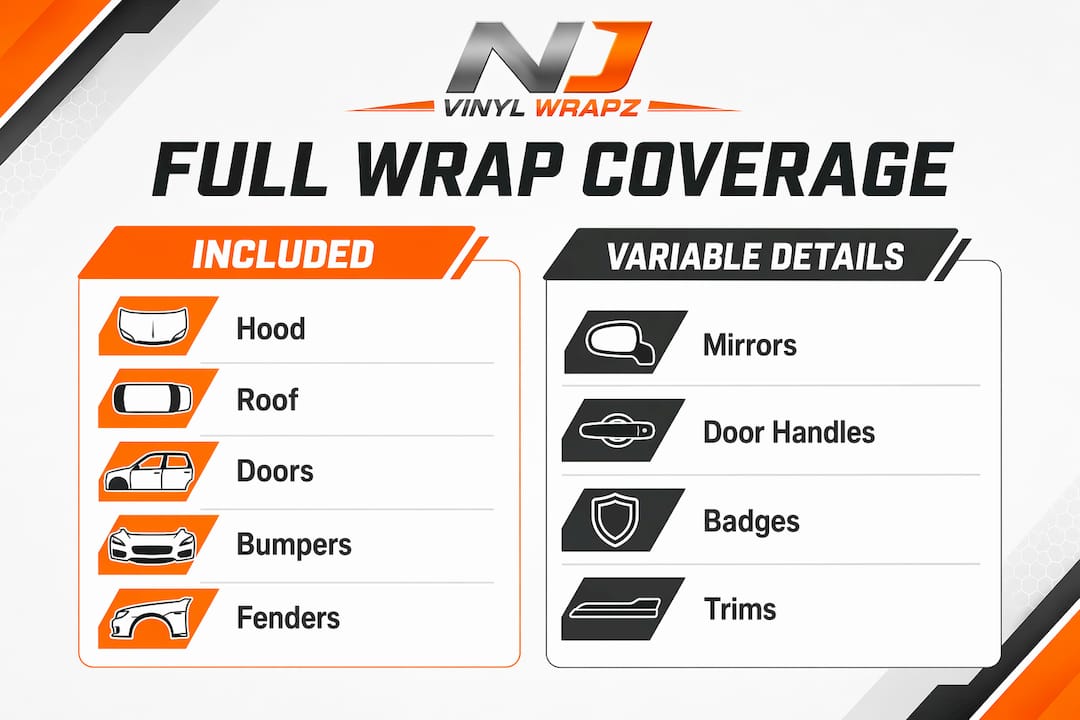
A full car covering means every painted exterior surface gets film. The standard panel list includes:
- Hood and front bumper
- Roof panel
- All doors (front and rear)
- Rear bumper and trunk lid
- Fenders and quarter panels
- Side mirrors
- A, B, and C pillars
- Door jambs (varies by shop and vehicle)
Installers handle trim two ways: some wrap over it, others remove it for cleaner film edges. Removal takes more time but produces a finish that holds longer and looks sharper up close. Small exposed paint lines at trim edges are normal on wrapped vehicles and do not indicate poor workmanship.
Pro Tip: Before you drop off your vehicle, ask the shop specifically whether mirrors, door handles, badges, and bumpers will be removed during installation. Shops that remove hardware produce cleaner edges and fewer lifting points over time.
Full wrap vs. partial wrap: which one fits your situation?
The choice between a full and partial wrap is a strategy call, not just a budget call. Partial wraps and decals work well for service businesses that need visible branding without committing to a full fleet overhaul. Full wraps make sense when the message needs to own the entire vehicle.
| Dimension | Full Wrap | Partial Wrap |
|---|---|---|
| Best for | Complete color change, maximum brand impact | Selective branding, accent panels, budget refresh |
| Typical U.S. cost | $3,000 and up depending on vehicle size | $500–$2,500 |
| Paint protection | Every covered panel | Only wrapped zones |
| Installation time | 2–5 days shop time | 1–2 days for accent wraps |
| Visual impact | Total transformation, no factory color visible | Contrast effect; factory paint still shows |
| Removability | Fully reversible by a professional | Fully reversible; faster removal |
Full wrap advantages: total visual transformation, uniform branding across all panels, paint protection everywhere, longer lifespan.
Full wrap tradeoffs: higher material and labor cost, longer shop time, more complex removal when the time comes.
Partial wrap advantages: lower cost, faster turnaround, works with existing paint color for contrast effects.
Partial wrap tradeoffs: visible paint transitions between wrapped and unwrapped zones, limited protection coverage, less advertising real estate.
Why a full wrap pays off beyond the look
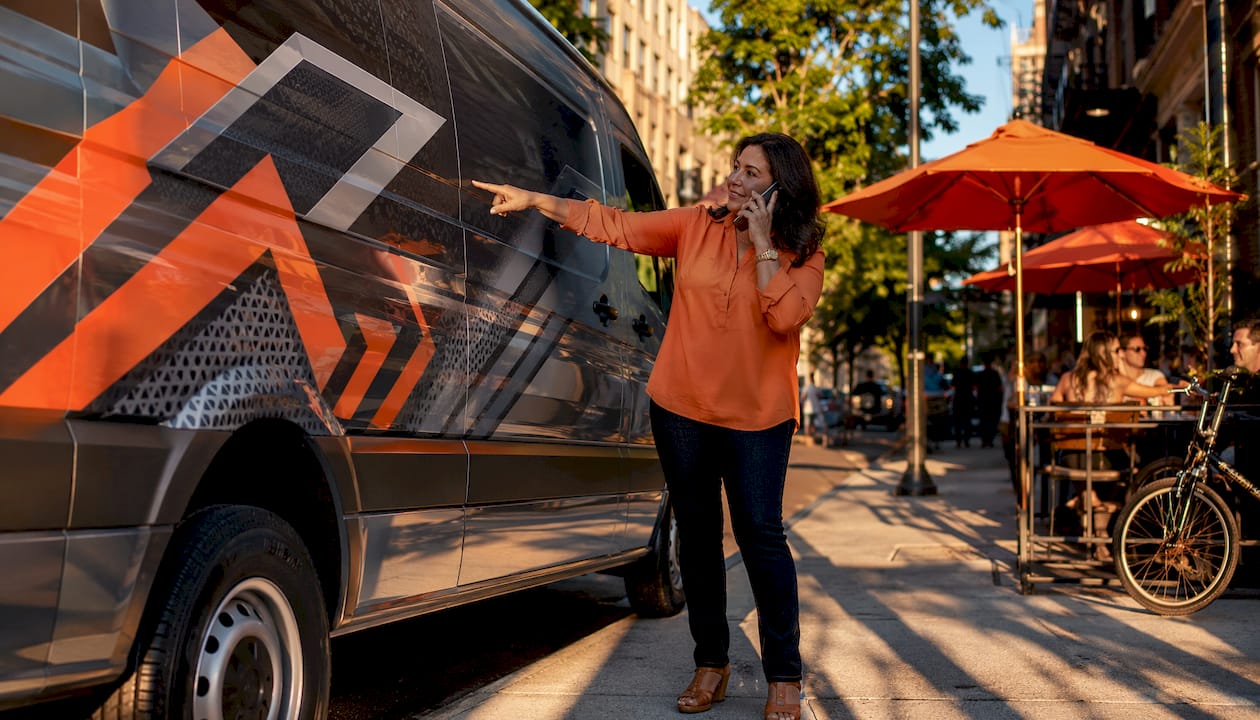
The business case for a full vinyl wrap goes well past aesthetics. Every panel becomes usable advertising space, which matters when a vehicle sits in traffic, parks in front of a client’s building, or runs a delivery route through a dense metro area. Fleet vehicle branding works precisely because the message repeats across every surface without gaps.
Paint protection is the other major argument. Cast vinyl shields factory paint from UV rays, minor abrasions, bird droppings, and road debris. When a professional removes the wrap at the end of its life, the paint underneath is typically in the same condition as the day the wrap went on — which matters at trade-in or resale.
Reversibility also makes a full wrap less expensive than a full paint respray over the long run. A respray is permanent and takes weeks; a wrap comes off cleanly and takes days. For businesses that rebrand or update messaging every few years, that flexibility has real dollar value.
A smart pairing: color-change vinyl across the full vehicle combined with paint protection film (PPF) on high-impact zones like the hood, front bumper, and fenders. The vinyl handles the visual transformation; the PPF handles chip and abrasion resistance where it matters most.
What materials and finishes should you ask for?
Film type determines how long a wrap lasts and how well it conforms to complex body lines. There are two main categories:
- Cast vinyl — the professional standard for full wraps. It conforms to compound curves without distorting or shrinking, and it carries the 5–7 year rated lifespan associated with premium films.
- Calendared vinyl — thicker, less conformable, suited for flat surfaces and short-term applications. Not recommended for full wraps on vehicles with complex body lines.
Ask specifically for 3M or Avery Dennison cast films. Both brands publish rated lifespans and back their products with installer warranties when applied by certified shops. Generic or unbranded films may look identical on day one but tend to shrink, fade, or lift well before the five-year mark.
Overlaminates add a protective clear coat over the printed film and determine the final finish. Common options:
- Gloss — high shine, easy to clean, classic look
- Matte — flat, stealth aesthetic; requires slightly more careful washing
- Satin — midpoint between gloss and matte, popular for premium fleet vehicles
- Color-shift / chrome — specialty finishes; chrome performs best as a full-vehicle treatment rather than a partial
Pro Tip: Ask the shop to show you physical vinyl swatches under their shop lighting before you approve the order. Screen colors and printed proofs rarely match the actual film under fluorescent or natural light, and seeing the physical swatch eliminates surprises on pickup day.
What does a full wrap cost, and how long will it take?
Installation time and total project time are not the same number. Shop time for a full wrap runs 2–5 days depending on vehicle size and complexity. But design proofing, printing, and disassembly add days before and after that window. Total project time typically runs 5–12 business days depending on vehicle size.
| Vehicle Type | Shop Install Time | Typical Total Project Time |
|---|---|---|
| Compact car / sedan | 2–3 days | 5–12 business days |
| SUV / crossover | 3–4 days | 5–12 business days |
| Pickup truck | 4–5 days | 5–12 business days |
| Cargo van / large van | 5–7 days | 5–12 business days |
Cost line items typically include design and artwork, film materials, printing, labor for installation, and disassembly/reassembly of trim and hardware. Premium cast films from 3M or Avery cost more than generic alternatives, and that difference shows up in both the invoice and the lifespan.
Premium cast vinyl carries a rated lifespan of 5–7 years. Poor installation, harsh climates, automatic car washes with stiff brushes, and skipped maintenance all shorten that window considerably.
What the designer and installer need from you
Getting your artwork right before the shop starts printing saves time and money. Installers work from vehicle-specific panel templates, and your files need to fit those templates cleanly.
File format checklist:
- Logos and vector graphics: PDF or AI (Adobe Illustrator) format, with fonts outlined
- Photos and raster elements: minimum 150 dpi at final print size (300 dpi preferred)
- Color mode: CMYK for print; provide Pantone references for brand colors when exact matching matters
- Bleed: ask the shop for their specific bleed requirements per panel template
Proofing steps before print:
- Soft proof review on screen with the designer
- Printed proof or color strike-off on actual vinyl stock
- Physical swatch check under shop lighting for finish and color accuracy
- Client sign-off in writing before the job goes to print
What to bring or decide before the first meeting:
- All brand asset files (logos, fonts, brand guidelines)
- Contact information and messaging hierarchy (what goes on which panel)
- Preferred finish (gloss, matte, satin, specialty)
- Vehicle year, make, model, and any aftermarket body modifications
How installation works and how to care for your wrap
Installation steps
- Inspection and prep — the installer documents existing paint condition and notes any chips, rust, or contamination that could affect adhesion.
- Multi-stage decontamination — clay bar treatment, solvent wipe-down, and surface prep to remove wax, oils, and embedded debris.
- Trim and hardware removal — mirrors, badges, handles, and bumper covers come off for clean film edges.
- Film application — panel by panel, working from larger flat surfaces to complex curves and edges.
- Heat forming — a heat gun conforms the film to body lines and activates the adhesive on curves and recesses.
- Post-heating — critical step on bumpers, door edges, and deep curves; locks vinyl memory and prevents future lifting.
- Reassembly and final inspection — hardware goes back on, and the installer checks every edge and seam.
Skipping decontamination or post-heating is one of the most common causes of premature wrap failure.
Aftercare schedule
- First 48–72 hours: no washing. The adhesive is still curing.
- First wash: hand wash only with pH-neutral soap and a soft microfiber mitt.
- Ongoing: avoid automatic brush car washes entirely. Pressure washing is fine at low pressure and kept at least 12 inches from film edges.
- Chips or lifting edges: address them early. A small lifted edge repaired promptly costs far less than a panel re-wrap.
How to tell a quality shop from a risky one
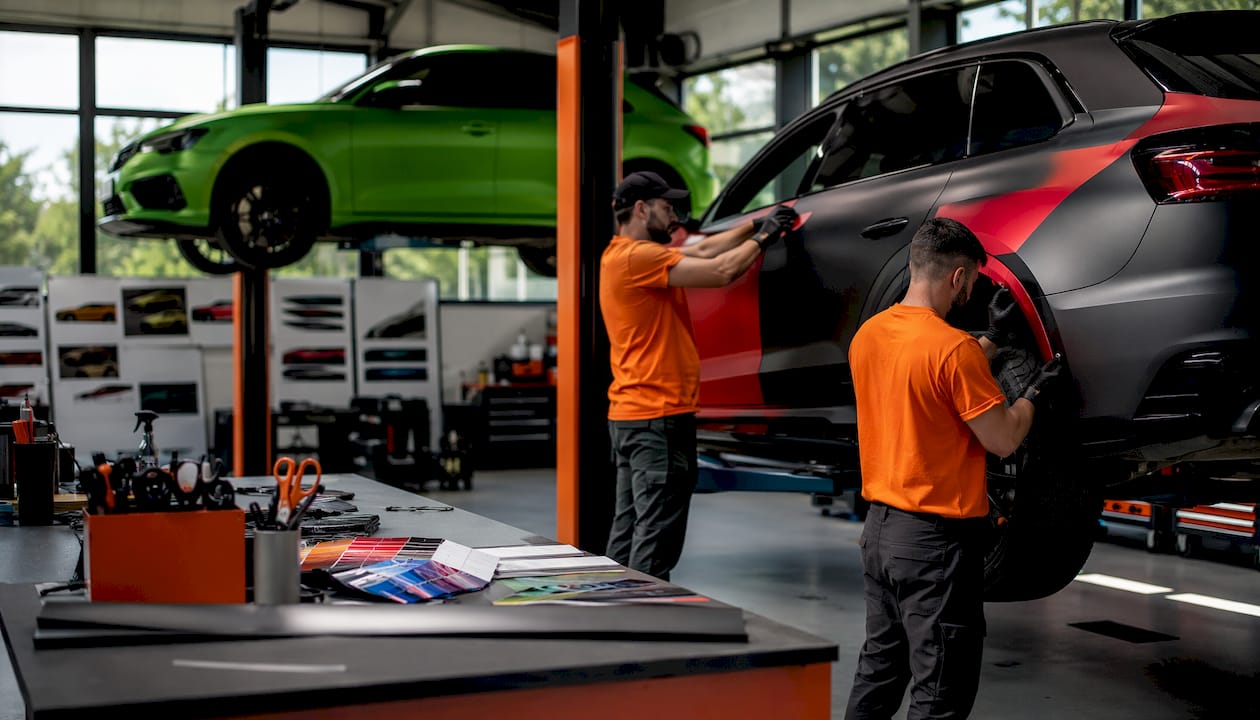
The shop environment matters as much as installer skill. Climate-controlled installation bays are not a luxury — heat and humidity swings during application create hidden adhesion failures that show up weeks later as bubbles or lifting edges. A shop that installs in an uncontrolled garage is taking a shortcut that you will pay for.
Signals of a quality shop:
- Climate-controlled bay (temperature and humidity managed)
- Uses named premium films: 3M or Avery Dennison cast vinyl
- Licensed and insured
- Transparent written warranty with specific terms (not just “we stand behind our work”)
- Portfolio with before-and-after photos of completed projects
- Shows physical vinyl swatches during the estimate
What a pro shop does on every job:
- Full hardware removal for clean edges
- Multi-stage decontamination before any film touches the vehicle
- Post-heating on all critical areas
- Multi-point final inspection before vehicle return
Pro Tip: Ask the shop directly: “Do you post-heat bumpers and door edges after installation?” A shop that does not know what post-heating is, or dismisses it, is telling you something important about their process.
Key Takeaways
A full wrap is the right choice when total coverage, maximum brand impact, or complete paint protection is the goal — and premium cast vinyl from 3M or Avery Dennison, installed in a climate-controlled bay, is what separates a wrap that lasts 5–7 years from one that fails in two.
| Point | Details |
|---|---|
| Full vs. partial decision | Choose a full wrap for complete color change or maximum branding; choose partial for selective coverage or tighter budgets. |
| Cost and timeline | Full wraps start at $3,000 and up; total project time runs 5–12 business days depending on vehicle size. |
| Material standard | Ask for 3M or Avery Dennison cast vinyl — rated lifespan of 5–7 years when properly installed and maintained. |
| Installer checklist | Confirm climate-controlled bay, hardware removal, post-heating, and a written warranty before signing. |
| Njvinylwrapz | Njvinylwrapz installs full wraps using 3M and Avery Dennison films in a climate-controlled facility, with design and printing handled in-house. |
What 10+ years in the shop actually teaches you
Most buyers focus on price per square foot and turnaround time. Those matter, but they are the wrong starting point. The question that actually determines whether you are happy six months from now is: what does this shop do when something goes wrong?
A wrap installed in a dirty, uncontrolled environment will look fine on pickup day. The problems appear in week three, when a bumper edge starts lifting because the adhesive never fully bonded to a contaminated surface. By then, the shop has your money and you have a problem. The climate-controlled bay, the decontamination steps, the post-heating — none of that is visible in a before-and-after photo. You have to ask.
The other thing buyers consistently underestimate is the design phase. A technically perfect installation of a poorly designed wrap is still a poor result. Messaging hierarchy, panel-to-panel continuity, and finish choice all shape whether the vehicle reads as professional or cluttered at 40 mph. Spend as much time on the design proof as you do on the material quote.
Njvinylwrapz handles the full wrap process from design to installation
When you need a full vinyl wrap done right the first time, Njvinylwrapz covers every step: custom design, premium 3M and Avery Dennison film printing, and expert installation in a climate-controlled facility. The team has over 10 years of experience on commercial fleets, business vehicles, and personal cars across New Jersey, and every project is backed by licensed and insured operations.
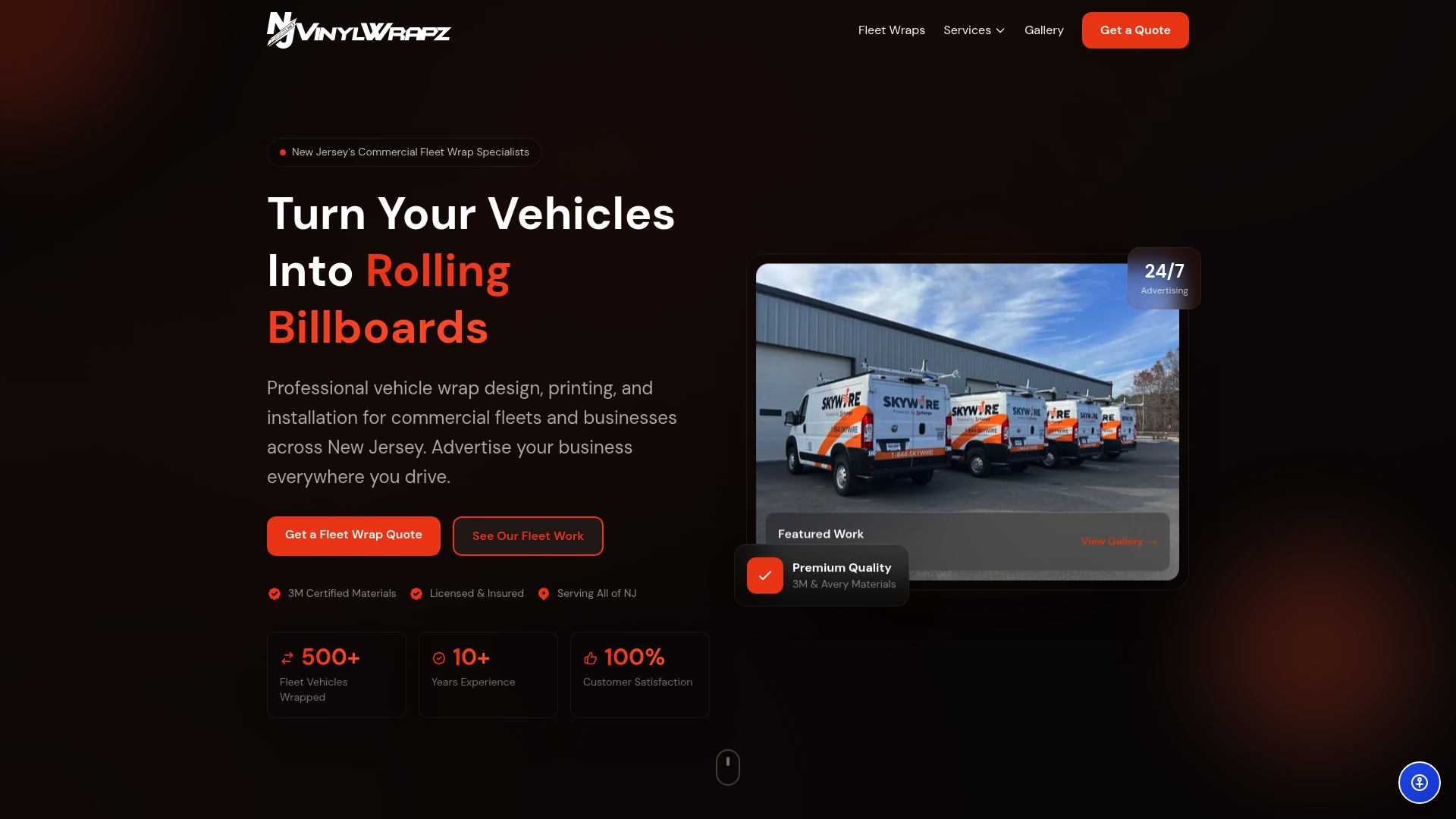
To get an accurate quote, have your vehicle year, make, and model ready, along with your preferred finish and any brand assets. The more specific you are upfront, the faster the design and proofing process moves. Request a quote or schedule an in-person vehicle inspection to get a written estimate with exact scope, materials, and timeline.
Useful sources
- Full Wrap vs. Partial Wrap: Which Option Fits Your Budget and Goals — coverage definitions, material lifespan data, and PPF pairing strategy
- What a Professional Car Wrap Installation Looks Like Start to Finish — installation steps, aftercare rules, post-heating guidance, and shop-quality signals
- Is a Car Wrap Worth It for Your Business? — U.S. cost ranges and partial vs. full strategic use cases
- How Long Does Vehicle Wrap Installation Take? — install time breakdown by vehicle type and coverage
- How Long Does It Take to Wrap a Car? USA Guide — total project timeline reference including cargo vans and fleet scheduling
- Njvinylwrapz Full Vehicle Wraps Service Page — scope, materials, and quote request for New Jersey projects
FAQ
What is a full wrap on a vehicle?
A full wrap is a cast vinyl film applied to every exterior panel of a vehicle, covering the hood, roof, doors, bumpers, fenders, mirrors, and pillars so no factory paint is visible. It is used for complete color changes, full paint protection, or maximum-coverage branding.
How long does a full wrap last?
Premium cast vinyl films from brands like 3M and Avery Dennison carry a rated lifespan of 5–7 years when properly installed and maintained. Poor installation, harsh climates, and automatic brush car washes shorten that window.
How much does a full wrap cost in the U.S.?
Full wraps typically start at $3,000 and go up depending on vehicle size, film choice, and design complexity. Partial wraps generally run $500–$2,500 for comparison.
How long does full wrap installation take?
Shop installation time runs 2–5 days for most vehicles, with cargo vans taking up to 7 days. Total project time, including design proofing and printing, is typically 5–12 business days.
Can a full wrap be removed without damaging the paint?
Yes. A professionally applied and removed full wrap preserves factory paint, often leaving it in better condition than unwrapped vehicles of the same age, since the film shields paint from UV exposure and minor abrasion throughout its life.
Recommended
- Wrap warranties explained: Protect your fleet branding | NJ Vinyl Wrapz
- Wrap Options | Vehicle Lettering, Partial & Full Wraps | NJ Vinyl Wrapz | NJ Vinyl Wrapz
- How expert wrap installation transforms fleet branding | NJ Vinyl Wrapz
- Vehicle Wrap Business: Top Providers and Startup Guide | NJ Vinyl Wrapz