
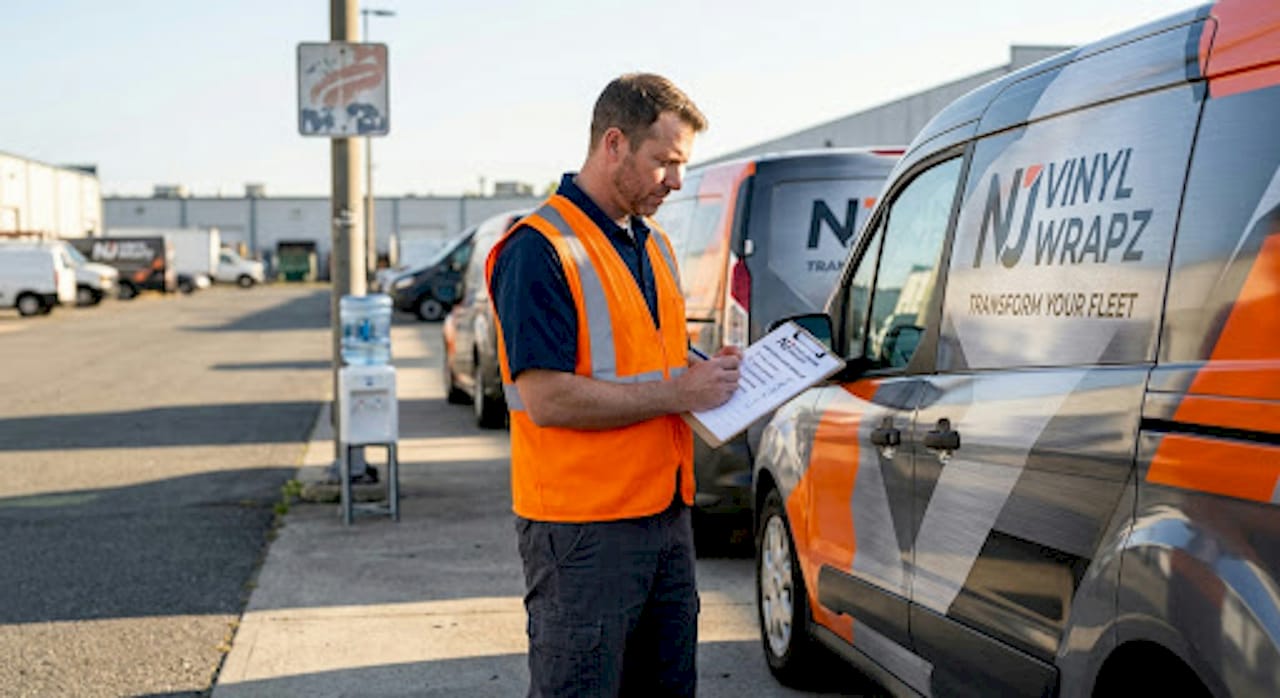
Your fleet vehicles are rolling billboards. When the graphics on those vehicles start peeling, fading, or scratching, it does not just look unprofessional. It actively undermines the brand investment you made. Knowing how to protect vehicle graphics is what separates fleets that look sharp after three years from those that need replacement wraps after eighteen months. This guide covers everything from material preparation and cleaning technique to maintenance scheduling, troubleshooting, and the daily operational habits that make the biggest difference over time.
Table of Contents
- Key Takeaways
- How to protect vehicle graphics: start with the right foundation
- Cleaning and protection routines that actually work
- Maintenance scheduling and inspection best practices
- Troubleshooting common problems
- Operational behaviors and environmental factors
- My honest take on what most fleets get wrong
- Protect your fleet graphics with Njvinylwrapz
- FAQ
Key Takeaways
| Point | Details |
|---|---|
| Cure before cleaning | New wraps need at least 72 hours to cure before any washing or exposure to heat. |
| Hand wash only | Use pH-neutral soap and soft cloths; avoid brush-based automatic car washes entirely. |
| Inspect monthly | Routine checks for edge lifting, fading, and surface damage prevent costly replacements. |
| Remove contaminants fast | Bird droppings and road grime left sitting permanently damage protective vinyl layers. |
| Match products to material | Only use vinyl-safe coatings and cleaners to avoid chemical degradation of your graphics. |
How to protect vehicle graphics: start with the right foundation
Before you can maintain vehicle graphics effectively, you need to understand what you are actually working with. The three most common types are cast vinyl wraps, calendered vinyl decals, and laminated graphics. Cast vinyl is thinner, more conformable, and used for full vehicle wraps on complex curves. Calendered vinyl is thicker and better suited for flat surfaces and shorter-term applications. Laminates are protective clear films applied over printed graphics to extend their life and add UV resistance.
Each type has different care requirements, so knowing what your fleet uses changes how you approach vehicle graphic care.
| Graphic Type | Common Use | Care Requirement |
|---|---|---|
| Cast vinyl wrap | Full vehicle coverage, contoured surfaces | pH-neutral wash, vinyl-safe sealant |
| Calendered vinyl decal | Flat panels, spot graphics | Gentle hand wash, no pressure washing edges |
| Laminated graphic | Printed graphics with clear overlay | UV-protective coating compatible with laminate type |
| Ceramic-coated wrap | Premium fleets, long-term branding | Specialized ceramic-safe cleaner only |
One detail many fleet managers miss: new wrap adhesive needs 72 hours to fully cure after installation before any washing takes place. Washing or rubbing edges during that window weakens adhesion and shortens the wrap’s lifespan before it even gets on the road.
Before you stock your maintenance supplies, verify everything is vinyl-safe. Some automotive products marketed as universal contain wax blends or solvents that degrade vinyl films. Always check the product’s Safety Data Sheet. Safe tools include microfiber cloths, foam applicators, and pH-balanced soap specifically formulated for vehicle wraps.
Pro Tip: When prepping a new fleet vehicle for wrapping, read through this vehicle preparation guide before installation day. Surface contamination at the prep stage causes adhesion failures that no amount of post-install care can fix.
Cleaning and protection routines that actually work
Keeping vehicle graphics clean is not just about appearance. Contaminants left on the surface actively break down protective layers. Here is a cleaning routine that holds up in real fleet conditions.
- Rinse first. Use a low-pressure hose to remove loose debris before any cloth touches the surface. This prevents grit from acting like sandpaper during the wash.
- Hand wash with the right soap. Hand washing with pH-balanced soap and a soft microfiber cloth is the safest method. Wash in straight strokes, not circular motions, to avoid micro-scratching.
- Rinse thoroughly. Soap residue left on vinyl graphics attracts grime and can dull the finish over repeated applications.
- Dry with a clean microfiber towel. Air drying causes water spot deposits, especially in hard-water areas.
- Apply a vinyl-safe sealant. Once clean and dry, a protective sealant adds a barrier against UV rays and environmental fallout.
If pressure washing is your only option at a fleet facility, follow strict parameters. Keep pressure below 2000 psi, use a 40-degree wide-angle nozzle, and hold the wand at least 12 inches from the surface. Never aim at graphic edges. Water forced under edges loosens the adhesive bond and creates lifting that cannot be reversed without professional repair.
Automatic car washes with brushes are a hard no for wrapped vehicles. The bristles catch edges, reduce gloss, and accelerate wear. Touchless options with gentle chemistry are marginally safer but still not ideal for regular use.
For organic contaminants like bird droppings or tree sap, act immediately. Delayed removal makes staining permanent and can breach the protective laminate. Use a warm, damp cloth and let it sit for 30 seconds to soften the material before gently wiping away. Do not scrape.
Ceramic coatings are worth mentioning here. Ceramic coatings designed for vinyl provide excellent UV protection, seal the surface, and make future cleaning faster. They require correct product selection and periodic reapplication, but for high-visibility fleet vehicles they are among the best ways to shield vehicle graphics over a multi-year period.
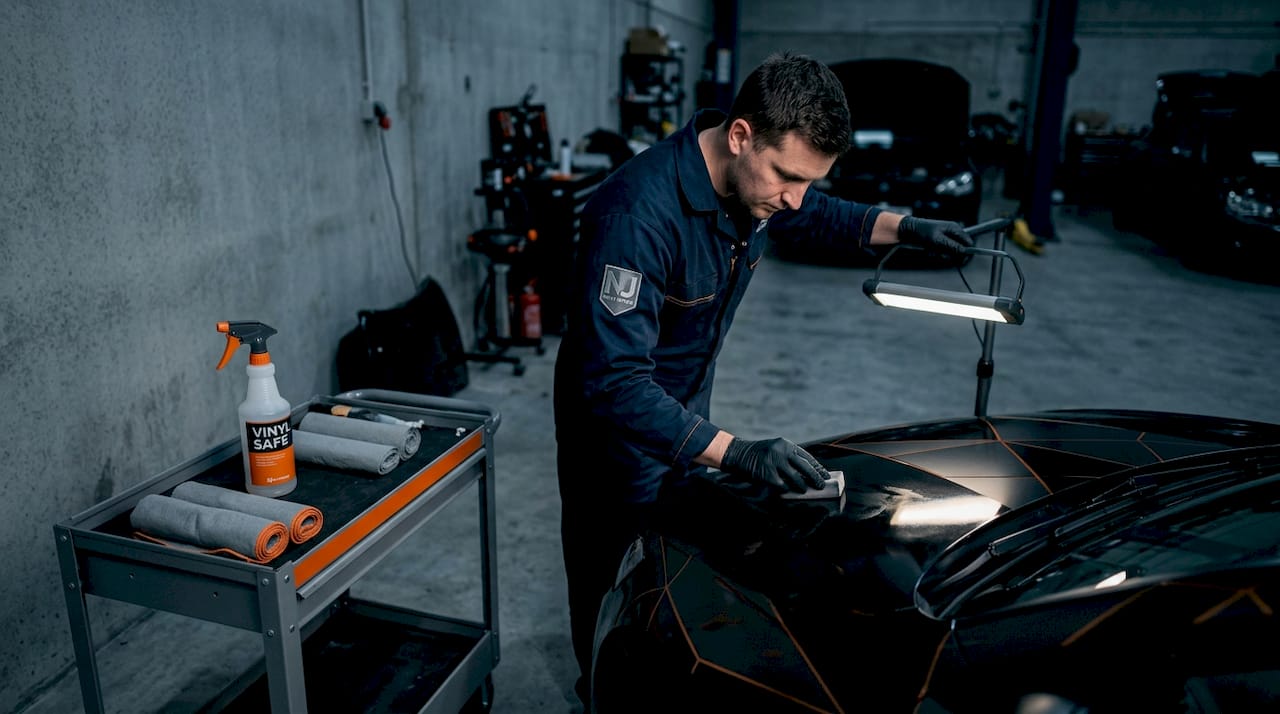
Pro Tip: Never use a standard car wax on vinyl graphics. The petroleum distillates in most waxes break down the vinyl’s finish and cause discoloration that is immediately visible on printed graphics.
Maintenance scheduling and inspection best practices
A cleaning schedule without an inspection schedule is incomplete. Regular cleaning prevents damage from building up, but regular inspection is what catches problems before they become expensive.
Here is what a practical fleet inspection routine looks like:
- Weekly: Quick visual scan during routine vehicle checks. Look for obvious contamination, edge lifting on large graphics, or any impact damage from road debris.
- Monthly: More thorough inspection of seams, edges, and any printed areas. Check for fading, bubbling, or adhesive separation, particularly around door handles, mirrors, and bumper curves.
- Seasonally: Assess the overall condition of all fleet vehicles together. Adjust cleaning frequency based on season. Winter brings road salt and chemical deicers that are aggressive on vinyl. Summer brings extended UV exposure.
Monthly deeper inspections with documentation are the standard for fleet wrap longevity. For a commercial fleet, that documentation matters. Track each vehicle’s wrap condition with photos dated in sequence. When graphics on vehicle number four start showing wear patterns at 18 months while others last 36, you have data to trace back to a specific route, driver habit, or storage condition.
Pro Tip: Build graphic inspection into your existing company vehicle maintenance checklist so it never gets skipped. Graphic condition and mechanical condition deserve equal attention in a fleet management program.
Early intervention is the financial argument for consistent inspections. A small section of edge lifting fixed with heat and pressure costs almost nothing. The same issue ignored for two months means a full panel replacement.
Troubleshooting common problems
Even with good maintenance habits, problems appear. Knowing what you are looking at determines whether you handle it yourself or call a professional.
| Problem | Likely Cause | Corrective Action |
|---|---|---|
| Edge lifting | Moisture intrusion, improper cure | Heat gun re-adhesion if caught early; professional repair if extensive |
| Surface fading | UV exposure, incompatible products | Apply UV-protective sealant; replace if color shift is severe |
| Bubbling under graphic | Trapped air or adhesive failure | Small bubbles: professional heat press; large sections need replacement |
| Discoloration or staining | Chemical contact or delayed contaminant removal | Vinyl-safe spot cleaner; professional assessment if stain is deep |
| Surface abrasion | Brush washing, grit-laden cloths | Buff with vinyl-safe compound for minor scratches; full panel replacement for deep cuts |
Minor edge lifting caught during a monthly inspection can often be re-adhered with a heat gun and firm pressure. However, if lifting covers more than a hand-sized area, or if you find adhesive residue on the paint beneath, that vehicle needs professional attention.
Never attempt to reattach a lifted edge with adhesive tape or household glue. Both leave residue that makes professional repair much harder and more expensive.
Ignoring visible damage has consequences beyond aesthetics. Partially lifted edges catch air at highway speeds and accelerate the separation. Faded graphics send a message about your company’s attention to detail. For a fleet that represents your brand on public roads every day, surface condition is a direct extension of your reputation. If you are preserving vehicle wraps for the long run, catching problems at the inspection stage is the most cost-effective lever you have.
Operational behaviors and environmental factors
Cleaning and inspection handle the reactive side of vehicle graphic care. Operational behaviors are where you get proactive.
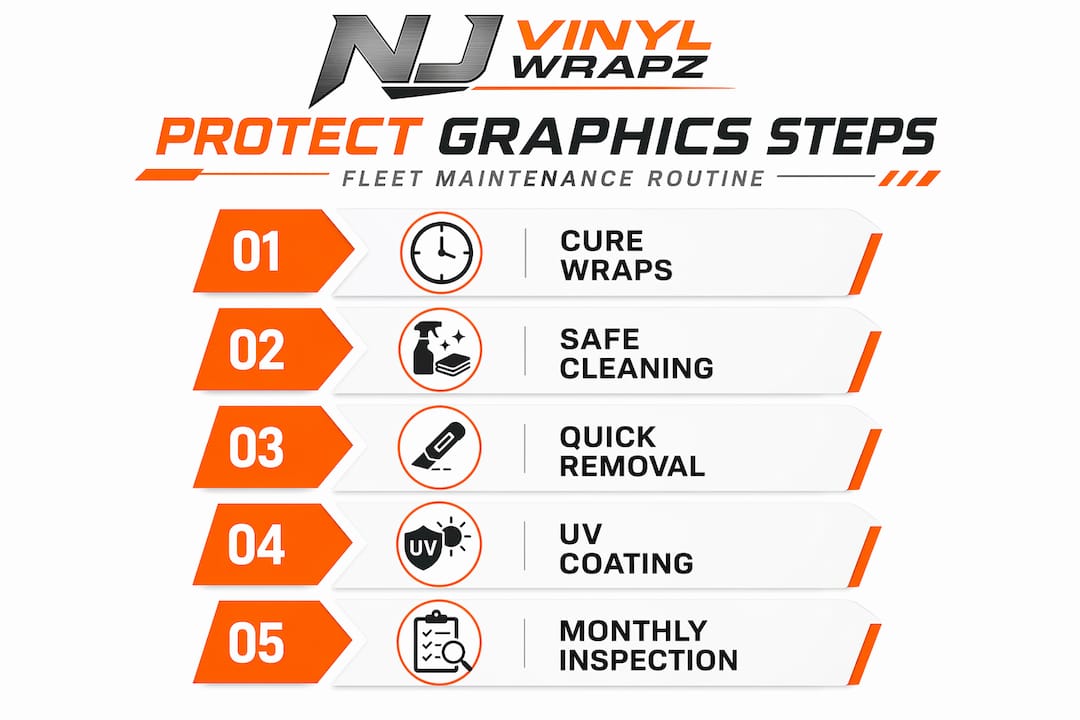
UV exposure is the primary cause of vinyl fading, and parking strategy is your first line of defense. Park fleet vehicles in covered or shaded areas whenever possible. For businesses without covered parking, vehicle covers protect graphics from sun and atmospheric fallout during extended stationary periods.
A few operational policies that make a measurable difference over time:
- Assign parking spots intentionally. Vehicles parked facing south in a New Jersey summer receive significantly more UV exposure than those parked under a canopy or facing east/west.
- Train drivers on physical contact risks. Drivers brushing past graphics with equipment, leaning tools against panels, or pressure washing too close during a quick clean are common causes of premature wear that never show up as a weather event.
- Address winter conditions immediately. Road salt and chemical deicers accelerate adhesive breakdown and cause edge lifting. Rinse vehicles after any salt exposure, even in cold weather.
- Avoid fueling spills on vinyl. Gasoline and diesel are solvents. A spill over a graphic that is not wiped immediately will begin degrading the film.
Controlled parking, covering vehicles, and avoiding prolonged exposure to harsh elements extend graphic lifespan in ways that no cleaning product can compensate for. The best sealant in the world will not offset 12 hours of direct summer sun on a dark-colored van parked on asphalt every day.
Premium wrap materials from trusted brands like 3M and Avery come with built-in UV inhibitors and stronger adhesive formulations that tolerate these conditions better. That material quality gap matters most in high-exposure operational environments.
My honest take on what most fleets get wrong
After years working with commercial fleets, the pattern I see most often is this: businesses invest seriously in the installation and then treat graphic maintenance as an afterthought. They clean when the vehicle looks dirty and inspect when something breaks. That is reactive management, and it costs more in the long run.
What I have found is that daily operational behavior causes more cumulative damage than any single weather event. The driver who tosses a clipboard on the hood, the technician who pressure washes in a hurry, the van parked under a tree all summer collecting sap and droppings. These are not dramatic failures. They are slow-burn problems that quietly erode a wrap that should last five years down to two.
The other thing I would push back on is the instinct to go cheap on cleaning products. I have seen fleet managers buy the lowest-cost car soap in bulk, not realizing it contains wax additives that progressively dull their printed graphics. Investing in professional installation and quality materials only pays off if the maintenance program respects what those materials require.
My honest recommendation: treat your vehicle graphics the same way you treat your fleet’s mechanical maintenance. Put it in the schedule, assign ownership, document the results, and respond early when something changes.
— Krunal
Protect your fleet graphics with Njvinylwrapz

Your fleet graphics are a marketing asset, and they deserve to be treated like one. At Njvinylwrapz, we work with business owners and fleet managers across New Jersey to install graphics that are built for longevity from the start. Using premium 3M and Avery materials, climate-controlled installation, and over a decade of hands-on experience, our wraps are designed to hold up under real operational conditions.
Whether you need full vehicle wraps for a growing fleet, specialized fleet wrap solutions, or guidance on protective coatings and maintenance best practices, we are ready to help. Contact Njvinylwrapz today and protect the brand investment your fleet vehicles carry every mile.
FAQ
How often should I wash fleet vehicle graphics?
Hand washing weekly to biweekly is recommended for most fleet vehicles, with higher frequency during winter months when road salt exposure increases significantly.
Can I use a pressure washer on vinyl wraps?
Yes, with restrictions. Keep pressure below 2000 psi, use a wide-angle nozzle, and maintain at least 12 inches of distance from the surface, especially near edges.
What products should I avoid on vehicle graphics?
Avoid regular car wax, alcohol-based cleaners, and harsh solvents. Incompatible products degrade vinyl finish and cause discoloration that is difficult to reverse.
How do I prevent fading on car graphics?
Park in shaded or covered areas, apply a UV-protective vinyl sealant or ceramic coating, and use UV-resistant materials at the time of installation to prevent premature fading.
When should I call a professional for wrap repair?
Contact a professional when you notice edge lifting covering more than a small area, significant bubbling, deep surface abrasion, or any adhesive failure. Early professional repair prevents full panel replacement costs.