
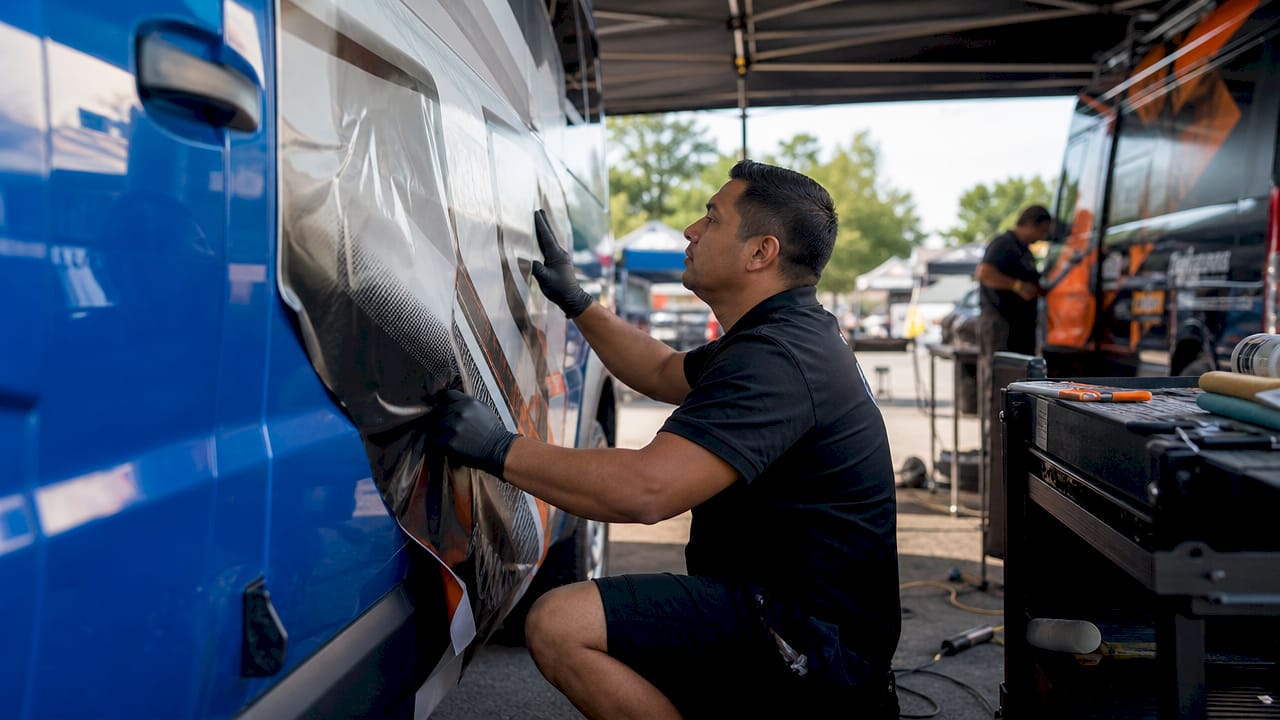
Professional installation is defined as the application of vehicle graphics by trained, certified technicians who follow manufacturer-approved methods, use industry-grade materials, and perform documented quality checks at every stage. For business owners and fleet managers, this distinction is not a formality. It is the difference between a wrap that lasts five years and one that peels at the edges after six months. Njvinylwrapz has spent over 10 years working with commercial fleets across New Jersey, and the pattern is consistent: vehicles wrapped by certified professionals hold their appearance, protect their warranties, and cost less to maintain over time.
Why use professional installers for vehicle graphics
Professional installation in the vehicle graphics industry means more than applying vinyl to a surface. It means a technician who understands substrate behavior, adhesive chemistry, and the specific demands of fleet vehicles operating in New Jersey weather conditions year-round.
Certified installers bring hands-on training that covers surface preparation, film handling, and heat application techniques. That training is not theoretical. It translates directly into cleaner seams, tighter corners, and graphics that stay flat against the vehicle body instead of lifting at the edges. Materials like 3M and Avery films are engineered for performance, but high-end materials are less forgiving of installation errors. A certified installer preserves the value of those materials. An untrained one wastes them.
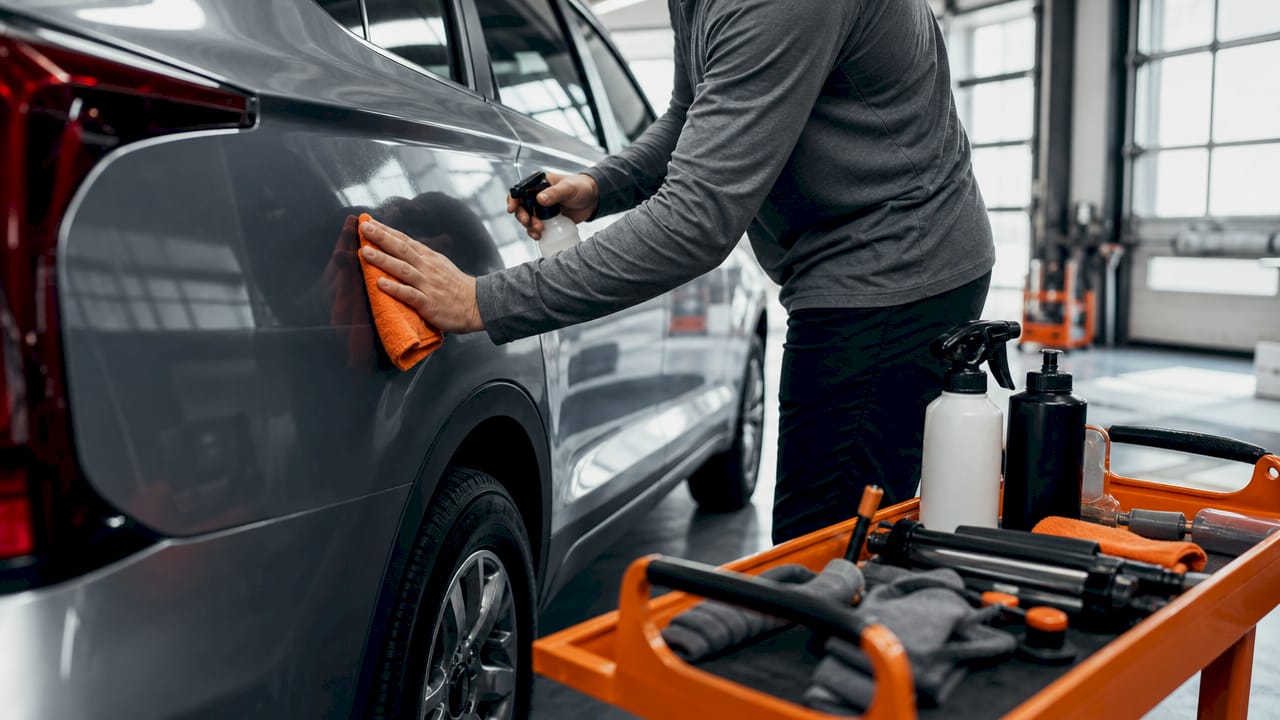
The preparation phase separates professional work from amateur work more than any other step. Site-specific preparation including surface cleaning, temperature acclimation, and alignment is what prevents premature failure. Skipping even one of those steps creates microscopic contamination or stress points that show up as bubbles, lifting, or color distortion within months. Professionals do not skip these steps because their reputation and warranty obligations depend on getting them right.
Pro Tip: Ask any installer to walk you through their prep checklist before they touch your vehicle. A professional will have a documented process. An uncertified installer will improvise.
Certified technicians also follow manufacturer torque specs, commissioning checklists, and documented installation protocols that validate quality at every stage. For fleet managers overseeing multiple vehicles, this consistency is critical. Every vehicle in a fleet should look identical. That level of uniformity only comes from a repeatable, documented process.
How professional installation protects your warranty
Many vehicle graphics manufacturers require certified installation as a condition of warranty coverage. DIY or uncertified work voids these protections entirely, leaving business owners exposed to full replacement costs with no recourse. That is not a fine-print technicality. It is a standard clause in manufacturer policies for premium vinyl films.
The financial risk of non-certified installation is concrete. Across related installation industries, non-certified work has led to failures with replacement costs exceeding $20,000 in documented cases. For a fleet of commercial vehicles, the math scales quickly. A single failed wrap on a delivery van, combined with voided warranty coverage, means paying full price twice.
Certified installers also handle the paperwork that makes warranty claims possible. Accurate documentation of serial numbers, installation dates, and product registration is managed by the professional team, not left to the vehicle owner. When a warranty claim becomes necessary, that paperwork is the difference between a covered repair and an out-of-pocket expense.
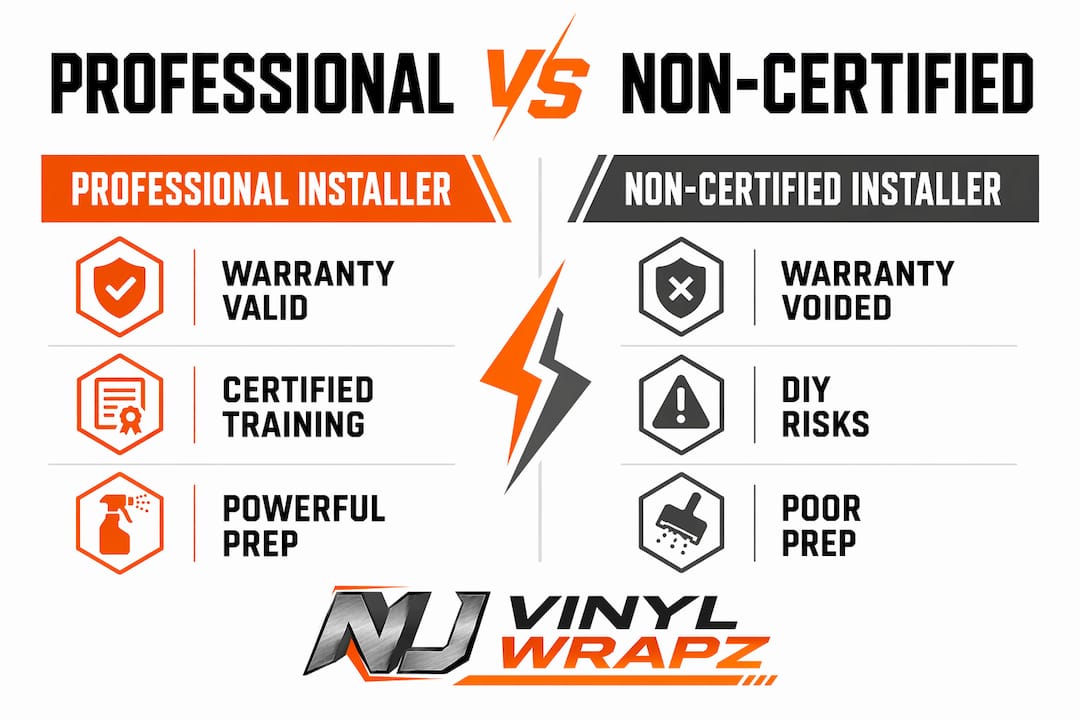
The table below shows how professional and non-certified installation compare on warranty-related outcomes:
| Factor | Professional installer | Non-certified installer |
|---|---|---|
| Warranty validity | Maintained per manufacturer terms | Voided in most cases |
| Documentation | Completed and filed at installation | Rarely completed |
| Failure detection | Substrate issues caught before install | Often missed |
| Callback rate | Significantly lower | Higher |
| Long-term cost | Lower through fewer repairs | Higher through repeat work |
Certified technicians also catch problems before they become expensive. Certified installers detect substrate issues invisible to untrained eyes, preventing costly repairs that can double a project’s total cost. For fleet managers, catching a surface defect before wrapping a vehicle is far cheaper than removing and reapplying a full wrap after the problem surfaces.
What practical benefits do fleet managers gain from hiring experts
The advantages of hiring certified professionals extend well beyond warranty protection. Fleet managers gain measurable operational benefits that compound over the life of a vehicle wrap.
Time efficiency is the most immediate gain. A professional team with the right equipment and a climate-controlled facility completes installations faster and with less vehicle downtime. Every day a commercial vehicle sits in a shop is a day it is not generating revenue. Professionals minimize that window through organized workflows and proper staffing.
Brand consistency across a fleet is the second major benefit. When every vehicle in your fleet carries identical graphics with matched colors, aligned logos, and clean edges, your brand communicates professionalism at every touchpoint. That consistency is only achievable through repeatable professional processes. You can read more about how expert installation shapes fleet branding and why it matters for long-term brand equity.
“Professional installers improve comfort, efficiency, and longevity by testing components onsite with customers present, transforming the client experience and building genuine confidence in the finished product.” — ConsumerAffairs
Lower total cost of ownership is the third benefit, and the one most fleet managers underestimate. A professionally applied wrap on quality material lasts significantly longer than an amateur application. Fewer repairs, no premature replacements, and maintained warranty coverage all reduce the total spend over a five-year vehicle lifecycle. Certified technicians lower callback rates significantly compared to DIY or general labor, which means fewer disruptions to your fleet schedule.
Common mistakes that come from skipping professional installation
Non-professional vehicle graphics installation follows a predictable failure pattern. Understanding that pattern helps fleet managers recognize the real cost of cutting corners.
- Skipping surface preparation. Contaminated or improperly cleaned surfaces prevent proper adhesion. Bubbles and lifting edges appear within weeks, not years.
- Ignoring temperature requirements. Vinyl applied in the wrong temperature range bonds poorly. Cold application causes brittleness. Hot application causes stretching that relaxes and wrinkles over time.
- Missing substrate defects. Rust spots, dents, or previous paint damage under a wrap will telegraph through the film and accelerate failure. Professionals inspect for these. Amateurs do not.
- Using incompatible materials. Not every vinyl film works with every vehicle surface or clear coat. Mismatched materials cause chemical reactions that damage the underlying paint.
- No documentation or follow-up. Without installation records, warranty claims fail. Without a post-installation inspection, small defects go unaddressed until they become large ones.
Pro Tip: Before committing to any installer, ask specifically how they handle substrate defects. The answer tells you immediately whether you are dealing with a professional or a generalist.
Reviewing how to prepare your vehicle before a wrap appointment also helps fleet managers understand what proper preparation looks like, so they can hold any installer accountable to that standard.
How to verify installer qualifications before you hire
Choosing the right installer requires asking specific questions, not just reviewing a portfolio. A strong portfolio shows what an installer can do on a good day. Credentials and process documentation show what they do every day.
- Certifications and training. Ask which manufacturer programs the installer has completed. 3M and Avery both offer certified installer programs. Completion of those programs signals that the technician has been trained to the material manufacturer’s own standards.
- Fleet installation experience. Ask how many fleet projects they have completed and request references from commercial clients. Fleet work requires consistency across multiple vehicles, which is a different skill set than single-vehicle customization.
- Warranty support. Ask directly whether their installations qualify for manufacturer warranty coverage and how they handle documentation and registration. You can also review wrap warranty details to understand what coverage should look like.
- Facility standards. Climate-controlled installation environments are not optional for quality work. Temperature and humidity affect adhesion. Ask whether the shop is climate-controlled.
- Post-installation process. Ask what happens after the wrap is applied. A professional team conducts a final inspection, addresses any defects, and provides care instructions.
For a full list of questions tailored to New Jersey fleet owners, key questions to ask installers covers the evaluation process in detail. Knowing what to ask is as valuable as knowing what to look for. Auto shop certifications carry real weight in the vehicle services industry, and understanding what certifications mean helps you evaluate any installer’s credentials with confidence.
Key Takeaways
Professional installation is the single most important factor in vehicle graphics durability, warranty validity, and long-term cost efficiency for business fleets.
| Point | Details |
|---|---|
| Certification protects warranties | Manufacturers void coverage on non-certified installs, exposing owners to full replacement costs. |
| Preparation prevents failure | Surface cleaning, temperature acclimation, and alignment are non-negotiable steps only professionals follow consistently. |
| Documentation enables claims | Certified installers file accurate records at installation, making warranty claims possible when needed. |
| Consistency builds brand equity | Professional teams deliver uniform results across every vehicle in a fleet, strengthening brand appearance. |
| Lower lifetime cost | Fewer callbacks, longer wrap life, and maintained warranties reduce total spend over a vehicle’s lifecycle. |
What I’ve learned after a decade of fleet installations
Fleet managers often come to us after a bad experience with a lower-cost installer. The story is almost always the same: the wrap looked fine for the first few weeks, then the edges started lifting, the colors faded unevenly, and the warranty claim was denied because the installer was not certified. By the time they call Njvinylwrapz, they have already paid for the job twice.
The misconception I hear most often is that professional installation is mainly about aesthetics. It is not. Aesthetics are the visible result of a process that is really about adhesion, substrate compatibility, and material behavior under real-world conditions. A wrap on a delivery van faces sun exposure, highway speeds, car washes, and temperature swings every single day. The installation has to be built for that environment, not just for the day the photos are taken.
My honest advice to any fleet manager evaluating installers: certification matters more than price. The cheapest quote almost always reflects a shorter prep process, lower-grade materials, or both. Neither saves you money in the long run. The installers who take the time to prep properly, document everything, and stand behind their work with real warranty support are the ones worth hiring. That is the standard Njvinylwrapz holds itself to, and it is the standard you should demand from anyone working on your fleet.
— Krunal
Njvinylwrapz: certified fleet wrap installation in New Jersey
Njvinylwrapz brings over 10 years of certified vehicle graphics experience to commercial fleets and businesses across New Jersey. Every installation takes place in a climate-controlled facility using 3M and Avery materials, with documented prep, quality inspection, and full warranty support included.
Fleet managers who need consistent, durable graphics across multiple vehicles get a single point of contact, fast turnaround, and installation that holds up to daily commercial use. Whether you need full vehicle wraps for your entire fleet or a specific branding update, Njvinylwrapz handles the process from design through final inspection. Contact Njvinylwrapz to schedule a fleet consultation and get a quote built around your vehicles and timeline.
FAQ
Why does professional installation matter for vehicle wraps?
Professional installation protects adhesion quality, preserves manufacturer warranty coverage, and delivers consistent results across a fleet. Certified technicians follow documented prep and application protocols that untrained installers skip.
Does DIY vehicle wrap installation void the warranty?
Most premium vinyl manufacturers require certified installation as a condition of warranty coverage. DIY or uncertified work voids that protection, leaving the vehicle owner responsible for full replacement costs.
How do I know if a vehicle wrap installer is certified?
Ask which manufacturer certification programs the installer has completed, such as 3M or Avery certified installer programs, and request documentation. A certified installer will provide that information without hesitation.
What is the biggest risk of hiring an uncertified installer?
The biggest risk is a failed wrap with no warranty recourse. Non-certified installations have led to replacement costs exceeding $20,000 in documented industry cases, and that exposure grows with fleet size.
How long does a professionally installed vehicle wrap last?
A professionally applied wrap using quality materials typically lasts five years or more under normal commercial use. Improper installation significantly shortens that lifespan, often causing visible failure within months.